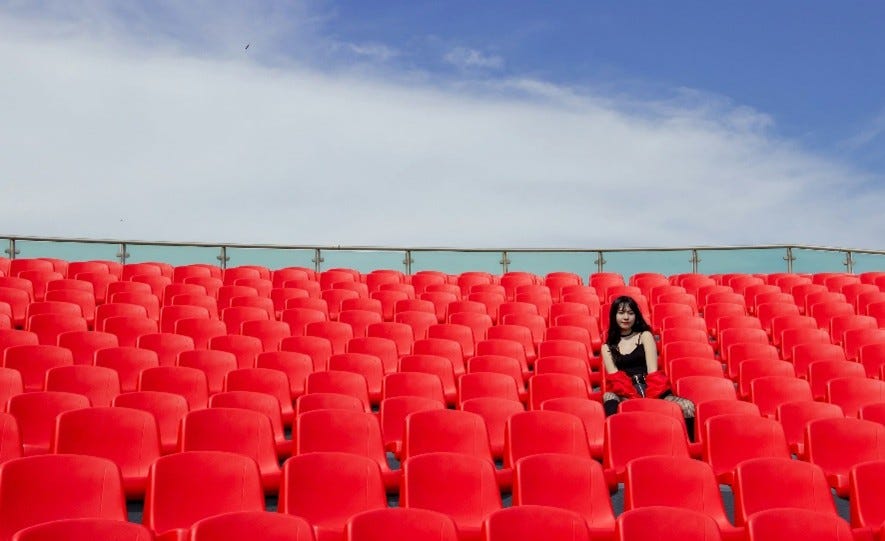

Throughout history, despite the best endeavours of those in power, everyone seems to love the idea of a rebel. That is, until they start rewriting the rules we live by. It’s easy to praise originality, right up until it starts making us uncomfortable.
Being a rebel sounds cool, until their presence reminds us how much of our world runs on quiet obedience.
The Real Rebels Don’t Need to Shout
Forget the clichés of the rebel dressed in outrageous clothes, smothered in makeup or adorned with enormous earrings, along with an aggressive smirk. Nor do they have to be presidents.
Today’s real rebels are thinkers, builders, and quiet disruptors. Berners-Lee, for example, didn’t invent the internet to get rich or famous.
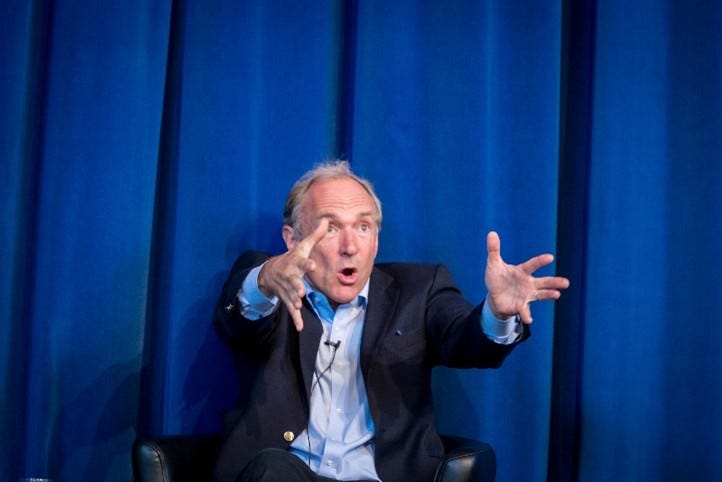
BERNERS-LEE
He built the World Wide Web because he believed information should be free, open, and shared.
That was radical. While others tried to patent or privatise the web, Berners-Lee refused, a quiet rebellion that has shaped the modern world. He’s still fighting, trying to take power back from the tech giants that turned his open web into a surveillance economy. That’s rebellion with code, not slogans.
Then there’s James Lovelock, the scientist who dreamed up the Gaia theory, the idea that Earth is a single self-regulating organism.

James Lovelock
Most scientists rolled their eyes when he first suggested it. Too mystical, they said. Too poetic. Decades later, climate science proved him right.
And Lovelock didn’t stop. Even at the age of 100, he published Novacene, predicting that Earth’s next evolutionary step won’t be humans at all, it’ll be intelligent machines that might one day see us the way we see plants.
It’s a terrifying, thrilling thought, and typical of rebels like Lovelock: their ideas unnerve people by touching a nerve we’d rather avoid.
Rebels Look Ordinary Until They Aren’t
Rebellion isn’t always loud. It’s often a whisper that grows until it can’t be ignored.
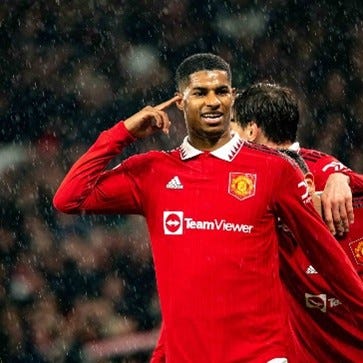
Footballer Marcus Rashford quietly used his name recognition to feed hungry kids when politicians wouldn’t.
Actress Zendaya broke through on Disney Channel, then turned down stereotypical, hyper-glam roles in Hollywood.

Instead, she produced and starred in Euphoria, exploring identity, addiction, and trauma with brutal honesty. She proved that young women don’t have to play nice to be powerful.
Meanwhile, Emma Chamberlain, a YouTuber who became a global style icon, did something equally radical: she stopped pretending.

Her videos are messy, funny, and human — complete with jump cuts, awkward pauses, coffee spills, and all the rest. In a world addicted to filters, her honesty is a rebellion.
These people remind us: rebellion isn’t destruction, it’s creation under pressure.
Why We Fear Them
Rebels make the rest of us uncomfortable because they expose our passive obedience.
Awkwardly, they remind us that we’ve been playing by rules someone else wrote: algorithms, teachers, parents, employers.
When someone breaks those rules and wins, we start questioning why we’re still following them.
Yet, few rebels “win” right away. The first reaction to their rebellion is almost always ridicule. You’re too loud. Too weird. Too intense. Then, years later, culture catches up, and suddenly you’re “ahead of your time.”
We talk about “overnight success” as if brilliance explodes out of nowhere. But as Samuel L. Jackson (above) ) once joked, it only took him twenty years to become one.
When Rebellion Works
Rebellion only works when it serves a purpose. Being different for its own sake fades fast.
Rashford’s fight mattered because it fed real children.
Berners-Lee’s vision matters because it protects the freedom of ideas.
Lovelock’s warnings matter because they prompt us to question whether humans are as intelligent as we think.
A true rebel’s motive is purpose, not ego. The committed rebel risks comfort for something larger than themselves.
When being a rebel doesn’t work
Not every act of defiance deserves applause. Rebellion that’s only about attention burns out fast. We see it all the time online: people mistaking noise for change.
When someone like Kanye West or Andrew Tate confuses provocation with purpose, the rebellion collapses into performance. It grabs the spotlight but leaves nothing standing when the lights fade.
Compare that with artists like Billie Eilish, who broke every pop rule not to shock people, but to prove that quiet, emotional honesty can be a powerful force.
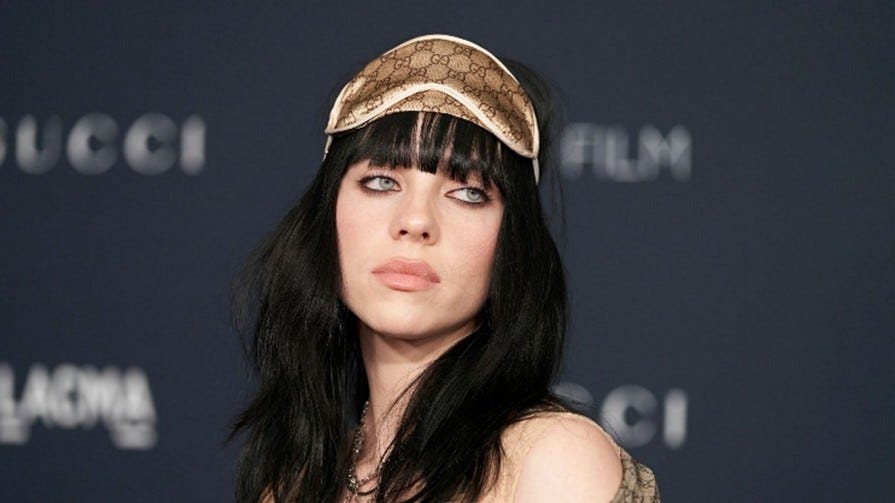
That’s rebellion with a reason, the kind that lasts. One destroys. The other builds.
Ask yourself:
Does my rebellion create something new, an idea, a movement, a better way to live?
If yes, you’re on the right track. If it’s just noise, rethink the why.
Being a rebel means standing alone, sometimes for a long time. Real rebels often live to see their ideas twisted, stolen, or ignored, yet they keep going anyway.
That’s the cost of vision: you see the world not as it is, but as it could be. And once you’ve seen that, fitting in is no longer an option.
The Point of It All
Rebellion isn’t about breaking things. It’s about refusing to accept that things can’t be better.

From scientists to students, quiet rebels keep humanity on its toes. They ask the hard questions, face the ridicule, and leave behind the tools the rest of us eventually use.
So maybe the real fear isn’t of rebels at all. Perhaps we don’t fear rebels at all.
What we may really fear is the moment we become one.
Also, coming soon: Conversations with Visionaries who shaped the future.