Women have been the greatest victims of the fear of upsetting and its most dutiful practitioners. To understand how that happened, it helps to go back a little way.
Is fear of upsetting imposed on women?
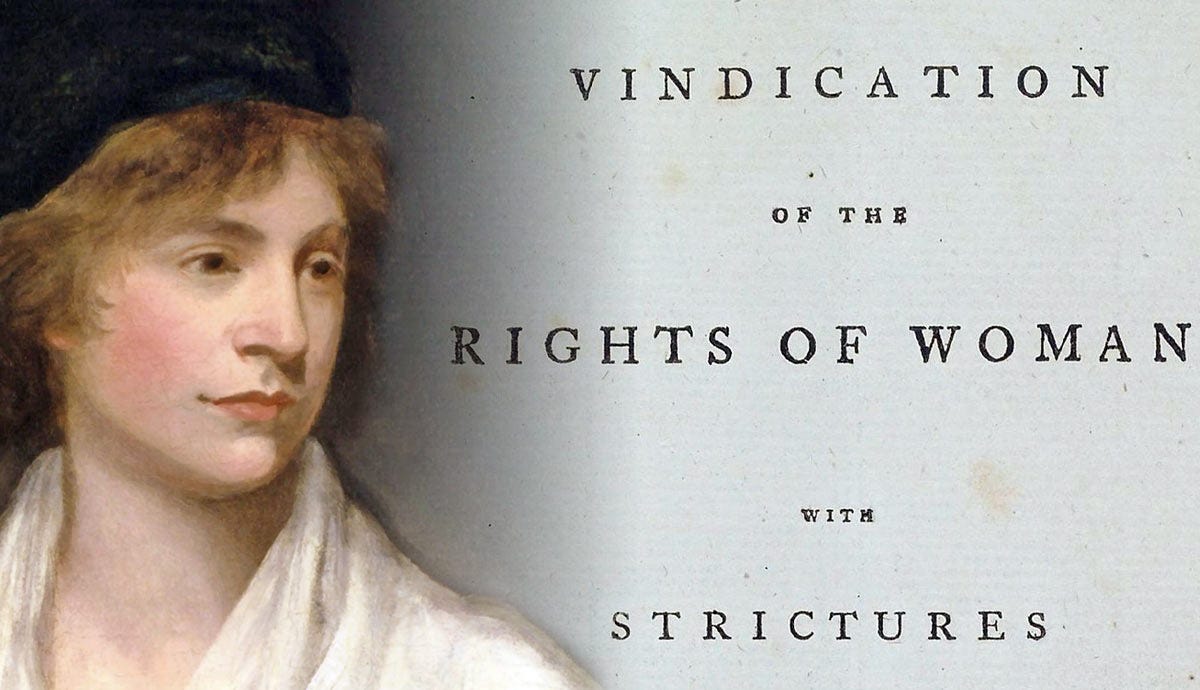
Mary Wollstonecraft
In 1792, Mary Wollstonecraft published A Vindication of the Rights of Woman, a clear, reasoned, unapologetic argument that women were rational human beings entitled to education and civic life.
She didn’t hedge. She didn’t qualify. By the standards of her time, she caused enormous upset.
The critics barely engaged with her argument. What they latched onto was her manner. She was called unfeminine, aggressive, a “hyena in petticoats” as Horace Walpole’s vicious phrase put it.
The Wollstonecraft upset was not in anything she had said. The upset was that she had said it at all, plainly, in public, in her own name, and without apology.
”I do not wish women to have power over men, but over themselves.” Mary Wollstonecraft, 1792
We’re talking here about fear operating as a weapon. Historically, the rules were seldom written down. Yet they were perfectly clear: a woman who spoke out directly had forgotten her place.
Countless generations of women absorbed this lesson not because they were weak, but because they were rational. The system rewarded compliance and punished directness, and they responded accordingly.
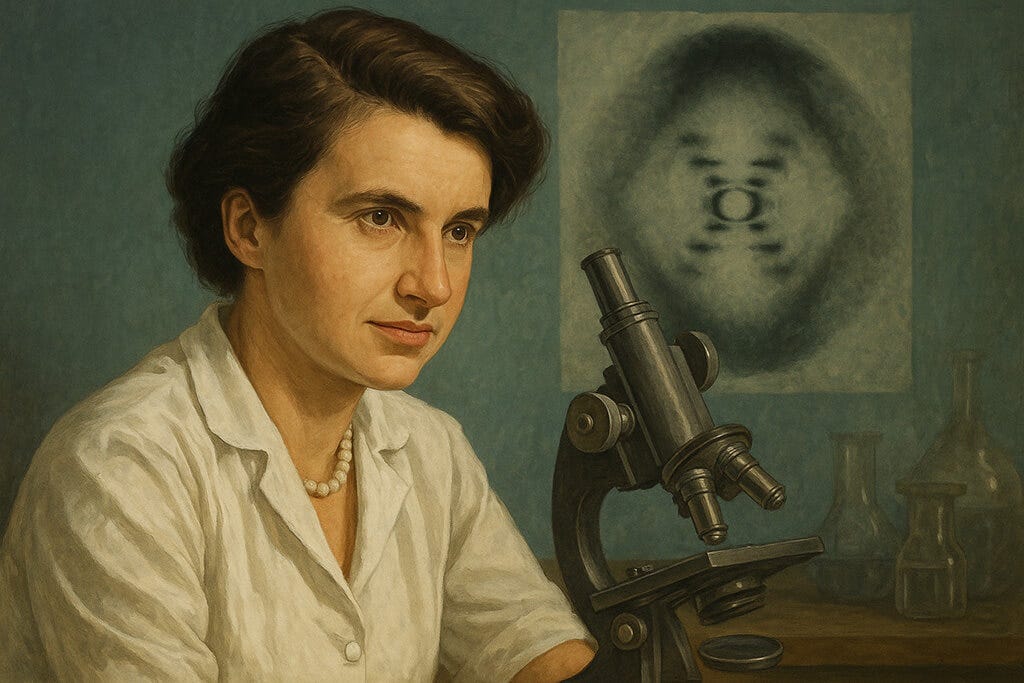
Rosalind Franklin
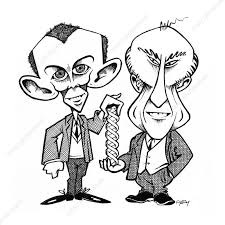
Rosalind Franklin’s X-ray crystallography data were foundational to the discovery of DNA’s double helix. Watson and Crick used it without her knowledge, consent, or adequate acknowledgement.
Yet Franklin did not make a public scene. The laboratory culture made clear that a woman who caused trouble was ending her career. She calculated the risk, said nothing, and continued her work.
Watson and Crick received the Nobel Prize in 1962. Franklin had died of cancer in 1958, at thirty-seven, and was not even mentioned in the Nobel acceptance speech.
Credit: Gary Brown, Science Photo Library
“Science and everyday life cannot and should not be separated.” Rosalind Franklin
Her fear was not a character flaw. It was a survival decision made inside a system that offered her no good options.
Fear of upsetting internalised
The suffragist movement offers the starkest demonstration of what happens when a group decides to play by fear of upsetting’s rules.
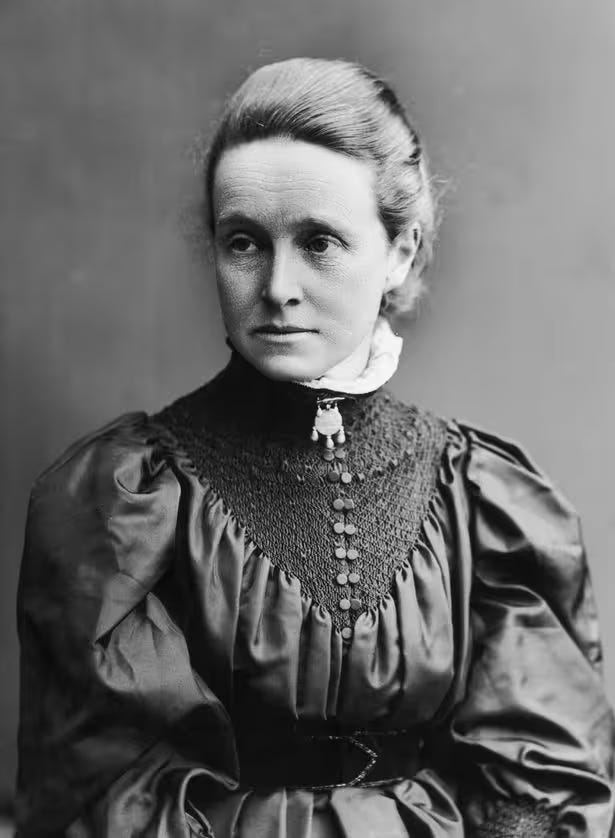
Millicent Fawcett
For decades, Millicent Fawcett and the constitutional suffragists made the polite, carefully argued case for women’s right to vote. They caused as little upset as possible, believing that a well-mannered argument would eventually prevail.
They were ignored for the better part of thirty years.
“Courage calls to courage everywhere.” Millicent Fawcett
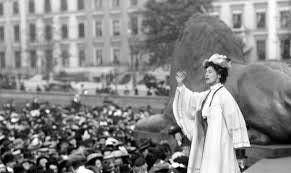
To shift the ground, it took Emmeline Pankhurst, who abandoned courtesy or fear of upsetting entirely. She broke windows, burned postboxes, and went on hunger strike,
Emmeline Pankhurst
“We are here, not because we are law-breakers. We are here in our efforts to become lawmakers.” Emmeline Pankhurst
The lesson was hard: those who benefit from the silence are rarely the ones who will voluntarily end it.
The cruel irony
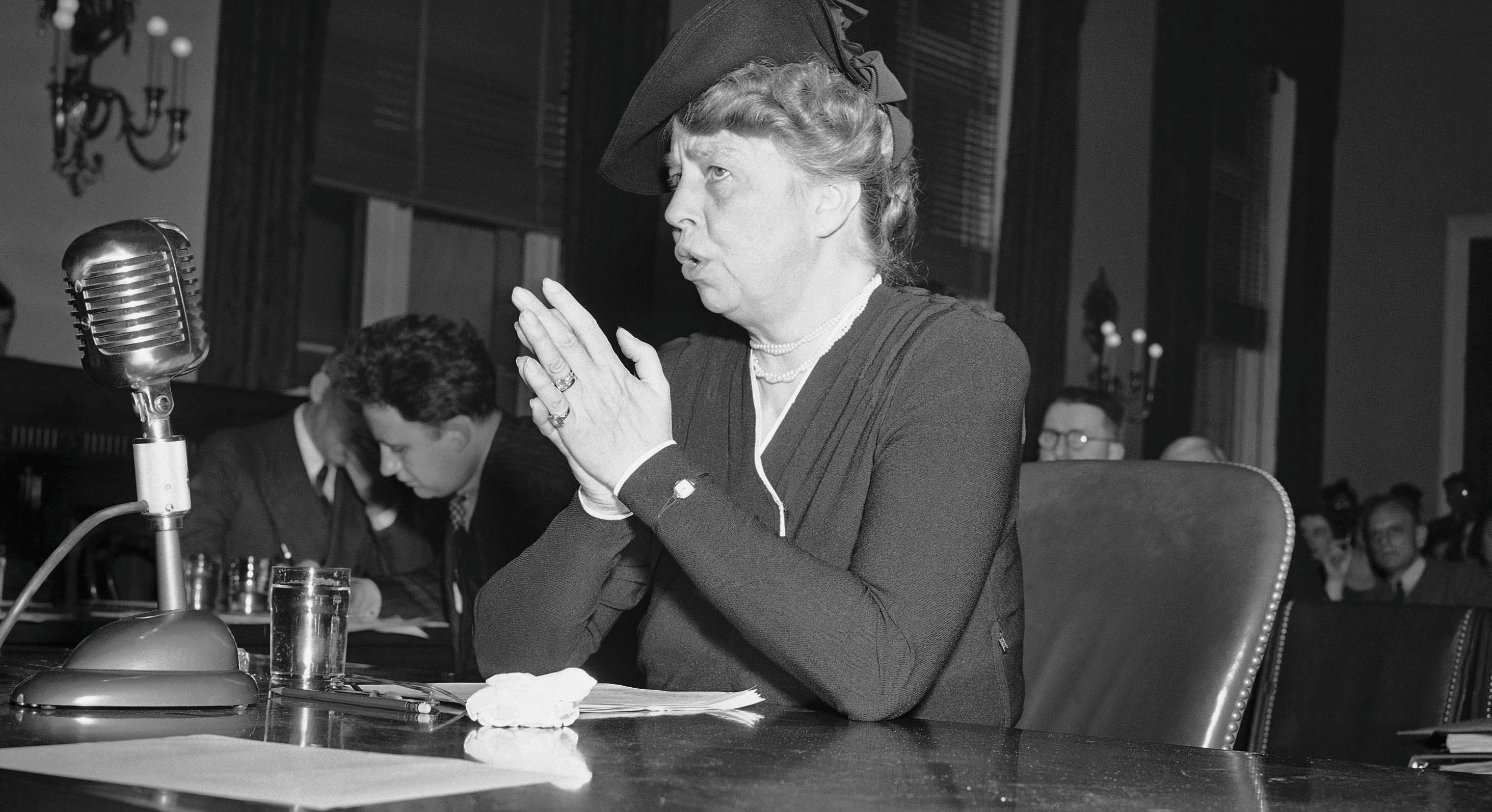
Eleanor Roosevelt, that indefatigable anti-fear exponent and trap avoider, put the essential point as cleanly as it has ever been put.
“No one can make you feel inferior without your consent.” Eleanor Roosevelt
She understood the fear of the upsetting trap because she had lived inside it. After all, as the President’s wife, who better than her to learn to stay quiet and ride the waves? But she didn’t.
She even had a regular radio show to promote her anti-fear-of-upsetting views, and people loved it.
Here then is the cruelty at the heart of it all. For centuries, women developed extraordinary skills. They managed households. Raised children. Held communities together.
They learned to read a room before anyone else had sat down. To sense what people needed before they knew it themselves. To keep things from falling apart through sheer emotional intelligence.
These are not small things. They are formidable human capabilities. And what did the world do with them? It reclassified them. Called them instinct rather than intelligence. Domestic rather than professional. Soft rather than serious
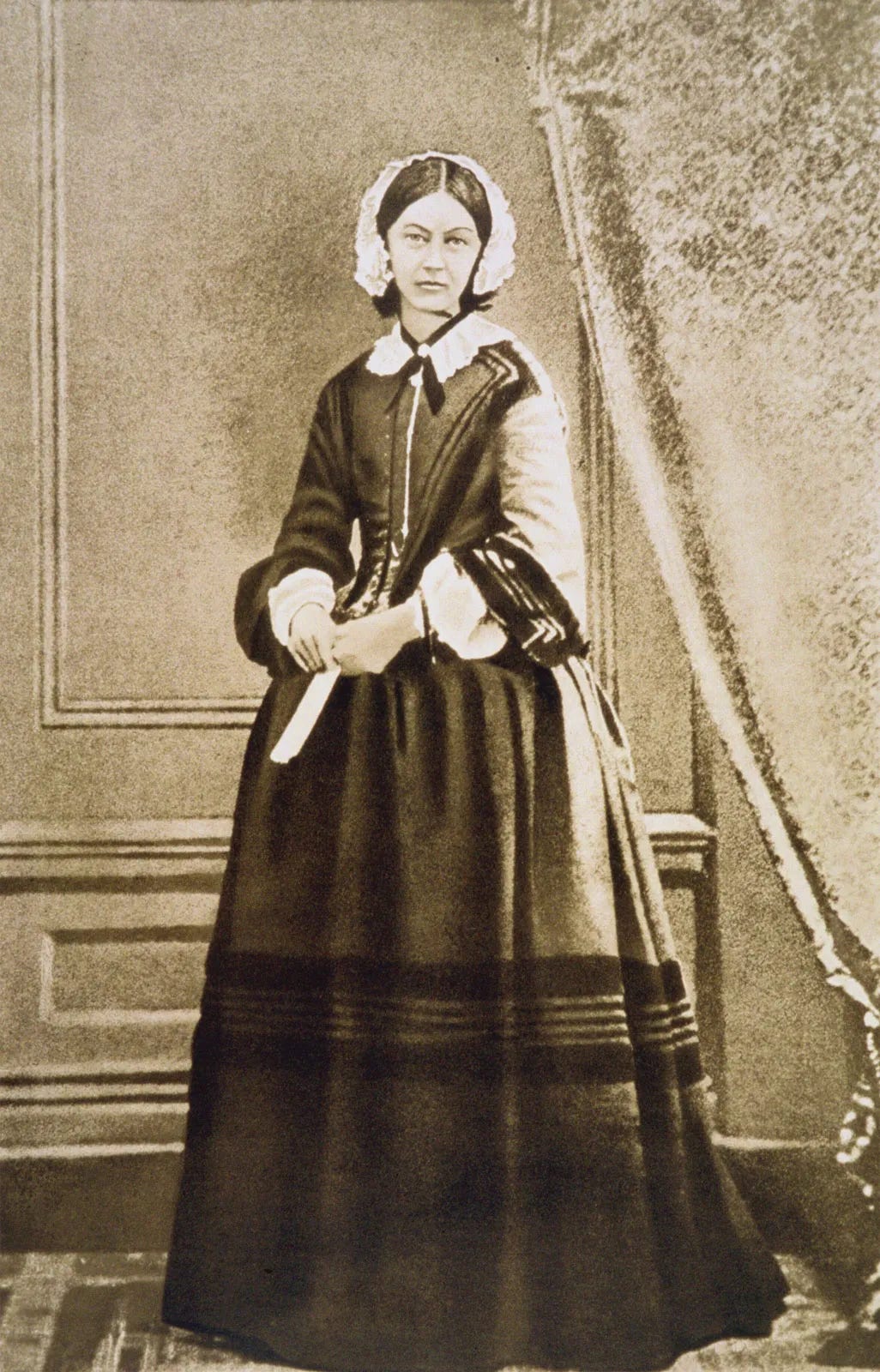
And then there was the indefatigable Florence Nightingale, who didn’t just nurse the sick. She systematically redesigned hospital sanitation and produced statistical analyses that changed military medicine forever.
She invented a form of the pie chart to make mortality figures legible to politicians who wouldn’t read a table. She was a mathematician and systems thinker of the highest order.
“To understand God’s thoughts, we must study statistics, for these are the measure of his purpose.” Florence Nightingale
History remembered her as a lady with a lamp. It was a lamp that lit the way to the truth about nursing in wartime. Few Generals wanted to listen.
Few Politicians dared to rock the boat. Nightingale prevailed in changing the nursing arrangements of war by refusing to be cowed by the fear of upsetting people.
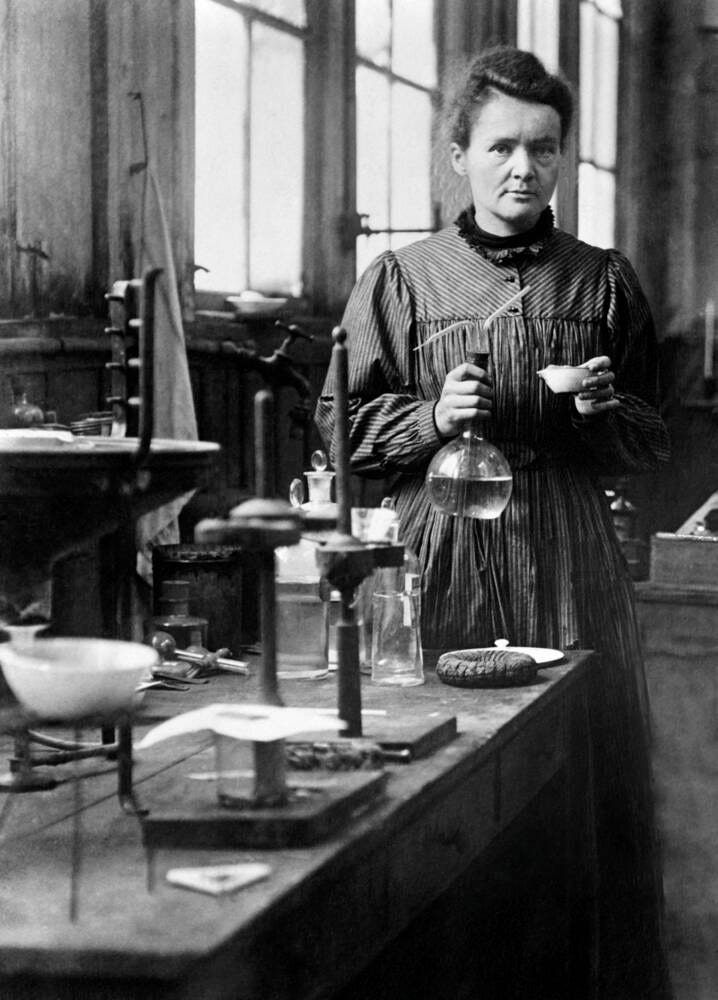
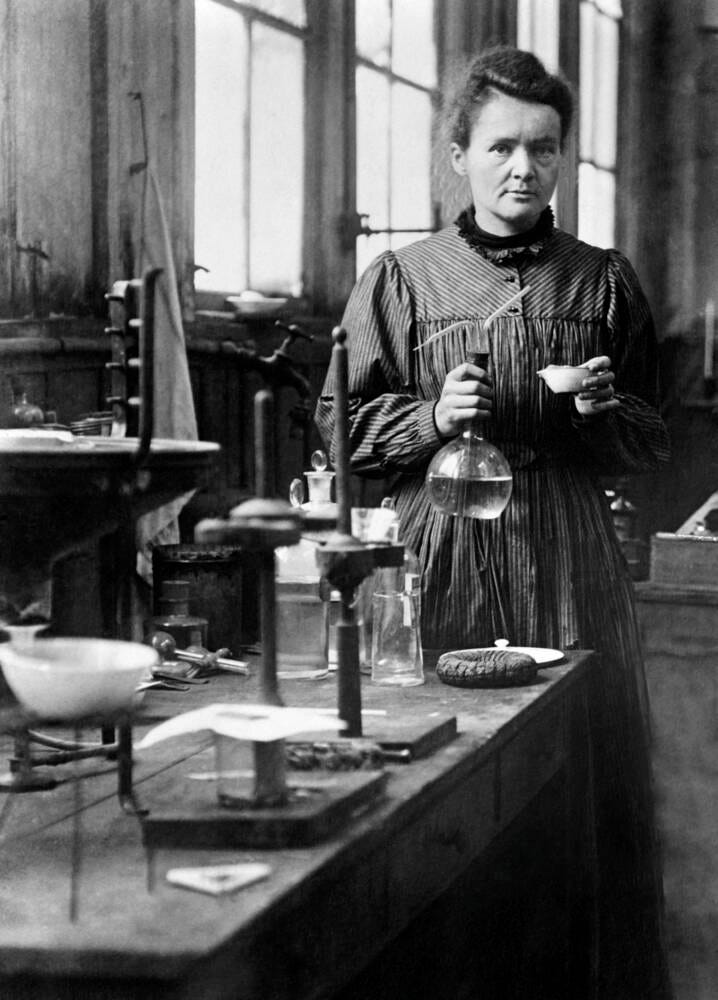
As for Madame Curie, she won two Nobel Prizes, in Physics and in Chemistry, a feat no man has matched to this day. Her experience showed that fear of upsetting was alive and well in the French Academy of Sciences.
Marie Curie
When first nominated to the French Academy of Sciences, she lost the vote by two. The wretched fear-bound Academy did not admit a woman for another fifty years.
“Nothing in life is to be feared. It is only to be understood.” Marie Curie
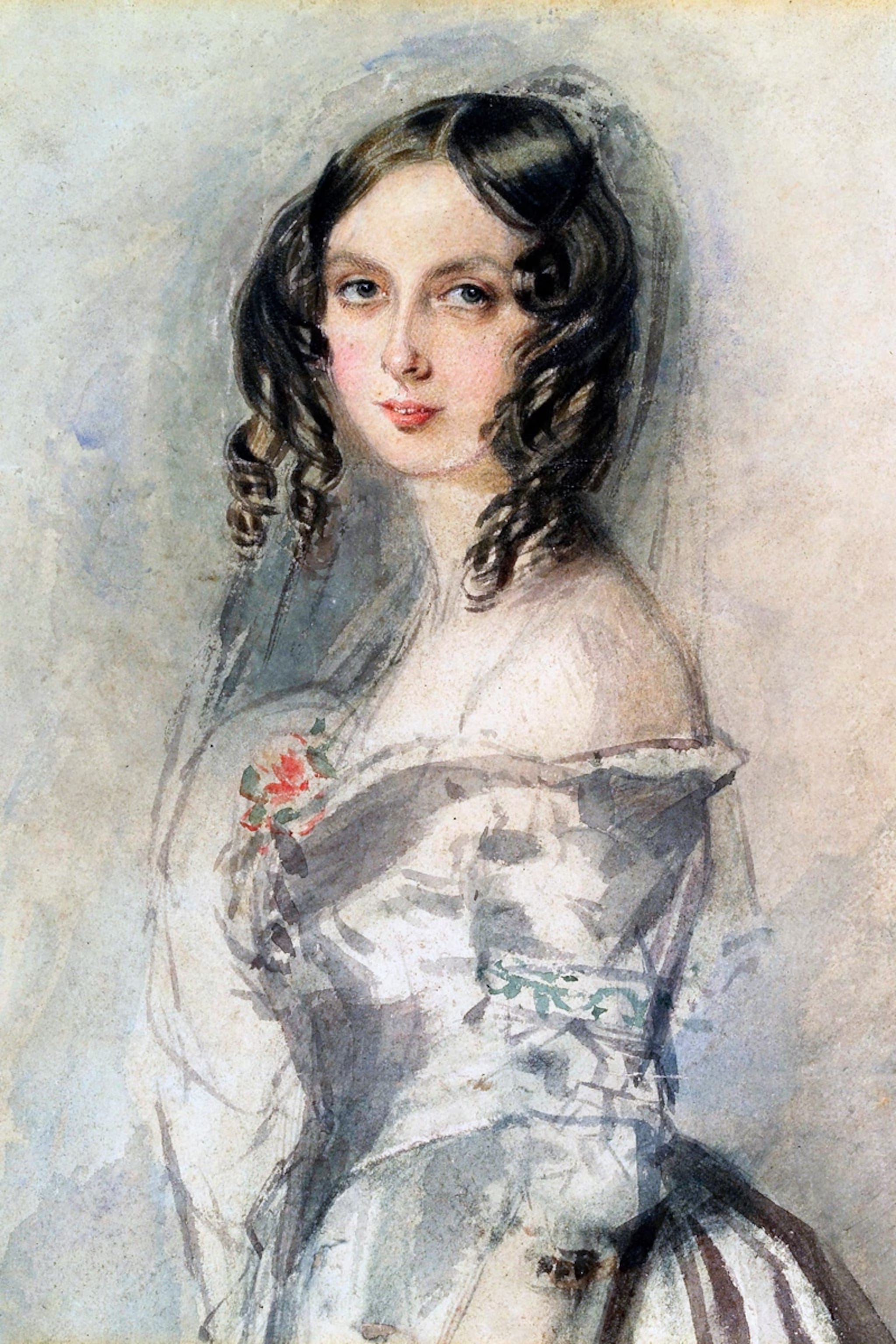
Ada Lovelace wrote what is now recognised as the first algorithm intended for a machine, a century before the computer existed. Her collaborator, Charles Babbage, got the machine; she got a footnote.
“The Analytical Engine weaves algebraic patterns, just as the Jacquard loom weaves flowers and leaves.” Ada Lovelace
Every woman reading this will have recognised at least one moment in here. Every man reading this should have, too.