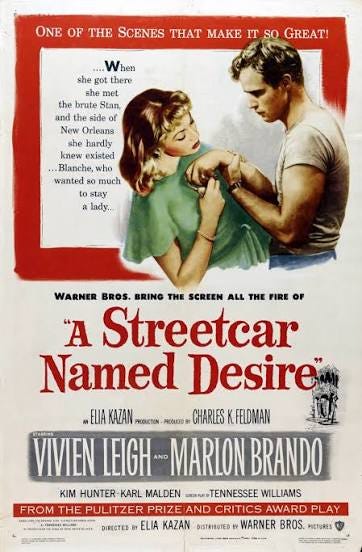
A young man in a torn undershirt walks onto the stage. Then he stops acting.
That was the trick. He stopped acting. And he did the same thing on the screen on the night of 18 September 1951, when A Streetcar Named Desire had its premiere. That was 75 years ago this September, 2026.
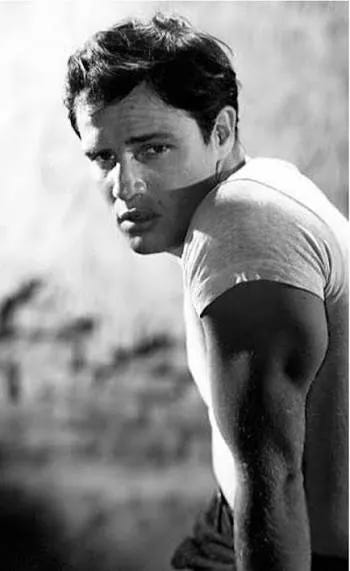
Marlon Brando in A Streetcar Named Desire
Marlon Brando did not declaim Stanley Kowalski. Instead, he scratched, chewed, and swallowed his lines; he turned his back on the audience.
He behaved as if no audience existed at all.
Three-plus decades later, it remains the memorable moment when the screen learned a new language. You could have heard the collision reverberating across Hollywood.
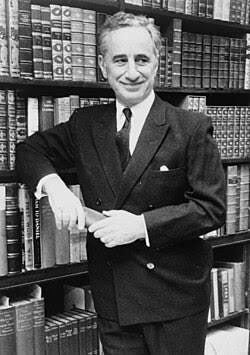
Elia Kazan
The director Elia Kazan built the film as a controlled collision. Two ways of acting, set in one cramped New Orleans apartment, left to grind against each other.
On one side stood Vivien Leigh. She was not so much acting as allowing the world to see past the glamour and into the troubled mind of Blanche DuBois.
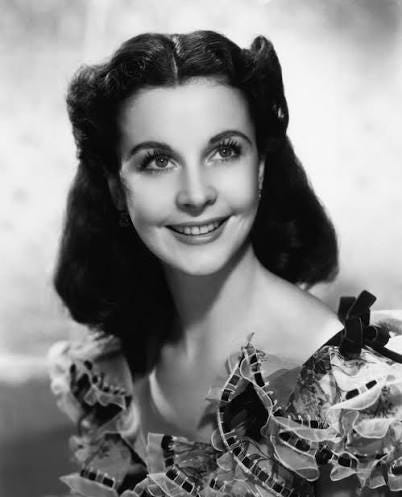
Vivien Leigh
She came from the English stage and from Hollywood royalty, already famous as Scarlett O’Hara, already a star. Her Blanche is precise, lyrical, and mannered. Every gesture is placed.
On the other side stood Brando. He had trained at the Actors Studio in the Method, a way of working that prized truth over polish. He did not make gestures. He found them and let them happen.
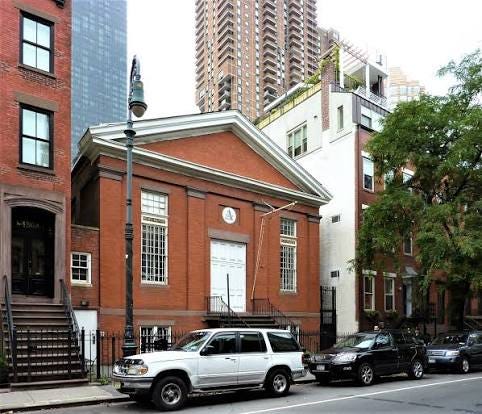
Actors Studio, New York
Kazan knew exactly what he was doing. He had directed the play on Broadway, and he wanted the same clash all over again. The actors around Brando were not enthusiastic.
Many of them had come from the stage version, and they feared the two styles would simply break apart on screen.
They did not break apart. They detonated.
And here is the irony that history tends to forget. Vivien Leigh nearly did not get the part, and neither did the woman who originated it.
Jessica Tandy had played Blanche on Broadway and won a Tony for it. Kazan wanted her for the film. Warner Bros. said no.
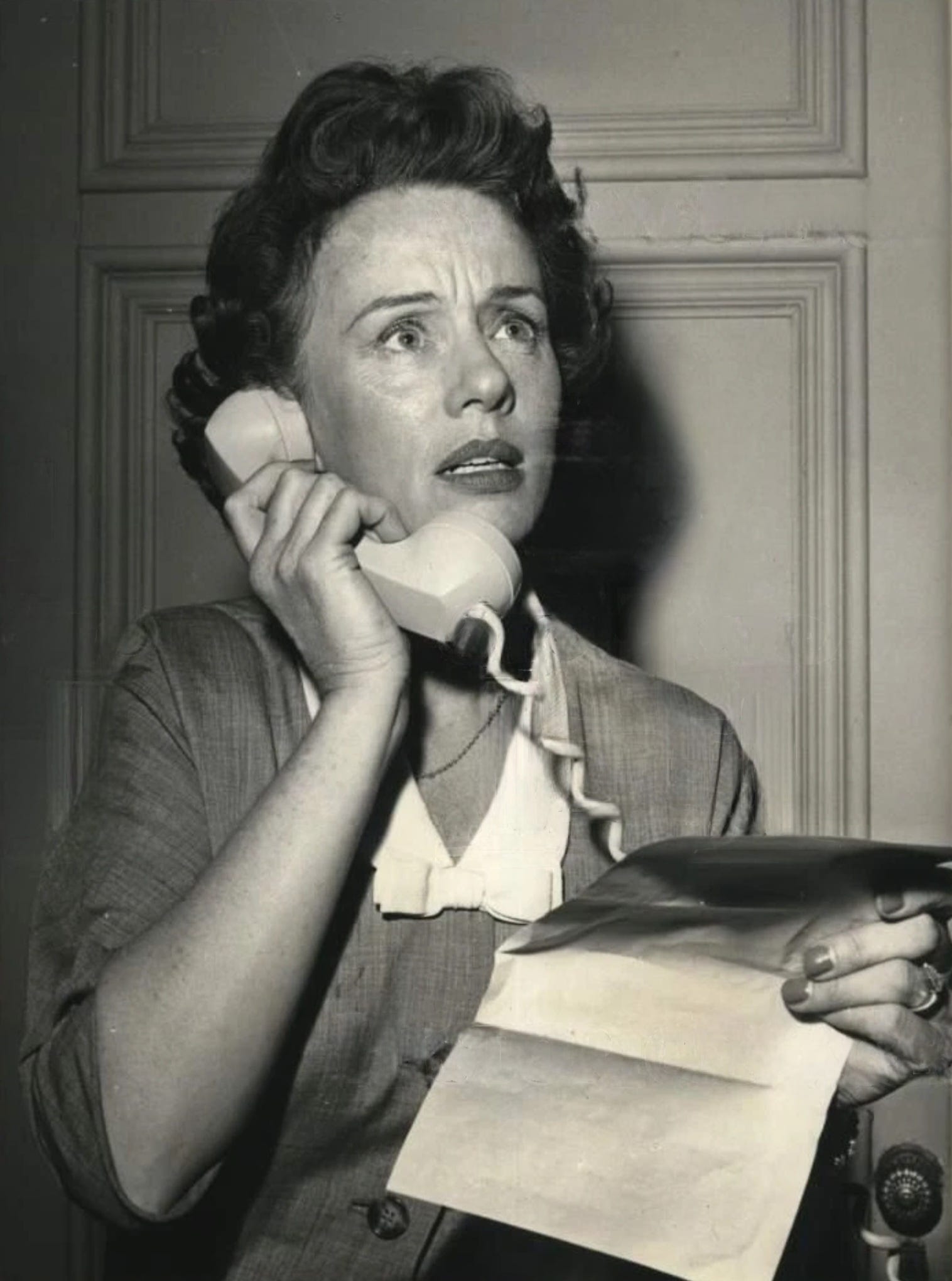
Jessica Tandy
Tandy was a stage name, not a box-office name, and the studio insisted on a star.
So the role went to Leigh, who had played Blanche in London under the direction of her husband, Laurence Olivier.
She was the compromise. She was the safe commercial choice forced on a director who wanted someone else.
Then she walked away with the Academy Award for Best Actress.
That is the second irony, and it is sharper than the first. The studio’s box-office calculation, the decision Kazan resented, produced one of the great screen performances of the century.
Leigh, English to her core, became the only actress to win Oscars for both of American literature’s most famous Southern women: Scarlett and Blanche. The belle who survives and the belle who shatters.
And Brando lost. He was nominated. He did not win. The Oscar for Best Actor that year went to Humphrey Bogart for The African Queen.
Three of the four leads from Streetcar took home statues. Leigh, Kim Hunter, Karl Malden. The one who changed everything went home with nothing.
It is the kind of result that history so usefully highlights with hindsight.
The Academy could see the performances it understood. It could reward the craft it recognised.
Yet it still failed to see what Brando was doing, because there was no category in anyone’s head. He made the camera feel like an intruder.
He behaved as though it were not there, and so the audience felt they were watching something private, something they were not meant to see.
Every actor who came after him learned from that. Dean, Newman, Pacino, De Niro. The whole American screen tradition runs through that torn undershirt.
One more thing, the premiere audience did not see. They never even saw the whole film.
Before its release, the Catholic Legion of Decency condemned the picture. The Legion held real power in 1951.
A condemnation could keep a film out of cinemas across whole regions of the country, and studios feared it.
So Warner Bros. cut the film without telling Kazan. Minutes went missing.
A scene on a staircase, charged with desire, was trimmed because the music and the closeness made it, in the censors’ words, too carnal.
Lines explaining Stanley’s intentions were removed, quietly changing the meaning of his character.
Kazan was furious. He wrote that he could not see how the cuts served morality, though he had given it much thought.
The Legion softened its rating to “B”. The film opened, and the sensationalism for which it had been punished helped make Streetcar one of the year’s biggest hits.
The censored footage sat lost for over forty years. The restored version is the one we can watch now, scratched in places where the old film had decayed, but whole.
Does any of this history still matter? My argument is that it is an important record of a fight. A fight between two ways of acting. A fight between a director and a studio. Brando won the long argument.
The Method he demonstrated became the air that screen acting breathes. It does so completely that we no longer notice it.
When a performance feels real today, when an actor seems to be living rather than reciting, that is his inheritance, paid forward across three-quarters of a century.
Brando lost the Oscar but won the medium.
Seventy-five years later this month, every time an actor forgets the camera is there, every time a performance feels overheard rather than performed, the echo of that torn undershirt is still on the screen.
The mumble became the language of the movies.