In 2000, the actress Meg Ryan was the reigning queen of the romantic comedy.
Her affair with Proof of Life co-star Russell Crowe, amid her divorce from Dennis Quaid, upended Ryan’s career.
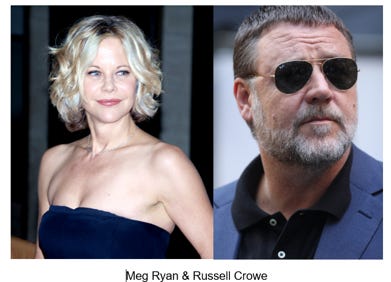
It left her ex-husband’s career almost untouched. The woman’s professional standing collapsed; the men involved walked away intact.
Nor is poor Ryan an exception. History is full of people who have faced this nail-biting question.
What most of them discovered the hard way is that it is not love that causes the terminal damage. It’s the reckoning.
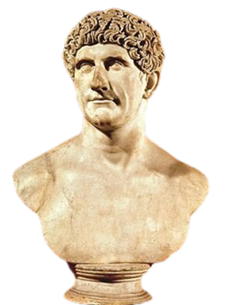
In 31 BC, Mark Antony ruled the eastern half of the Roman world. Ten years later, he encountered Cleopatra in Tarsus when she arrived on a gilded barge.
At Actium, Antony’s fleet broke and ran. Rome forgave the love and remembered the defeat. A year later, in Alexandria, he fell on his own sword.
On January 25, 1533, Henry VIII rewrote England’s religion to marry Anne Boleyn.
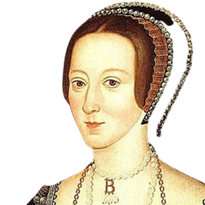
Henry said he was in love with her, and vice versa. Three years into the marriage, though, came the reckoning.
Henry had her arrested on charges that few historians now believe. Even so, she was executed at the Tower on the 19th of May, 1536.
Love elevated Anne further than any English queen before her. As the innocent party, she was destroyed anyway, which shows the reckoning doesn’t even require fault.
Charles Stewart Parnell was an Irish nationalist politician and land reform leader whose Parliamentary Party held the balance of power in Westminster from 1882 to 1891.
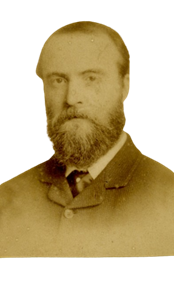
Charles Stewart Parnell
Irish nationalist politician
He made Home Rule a central issue and led the movement to the edge of victory in 1890.
He was also a co-respondent in divorce proceedings stemming from his long relationship with Katherine O’Shea.
This affair became Parnell’s reckoning, leading many British Liberals to refuse to work with him.
It also caused a split in the Irish Parliamentary Party and engendered strong opposition from Catholic bishops. He died a year later, broken and out of power.
Perhaps the most notorious case of a career death sentence because of love is that of Oscar Wilde, the most celebrated playwright in London.
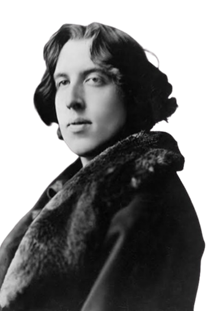
His romantic relationship with Lord Alfred Douglas drew him into a libel case in 1895 that he should never have started.
The case backfired and exposed him instead. Convicted of gross indecency and sentenced to two years’ hard labour, he never wrote another major work.
He died in continental exile, in poverty, three years later. Some reckoning.
In 1963, John Profumo was Britain’s Secretary of State for War.
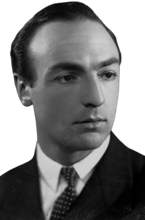
His love affair with the model or showgirl Christine Keeler collided with a Cold War security scandal.
Profumo lied to Parliament about it and resigned within weeks. He spent the next four decades doing charity work in the East End, in near-total public silence.
Parnell, Wilde, and Profumo most clearly paid the price for their choice of loving, destroying their respective careers.
Poor Anne Boleyn had little choice when it came to loving the king; even so, her career as Queen ultimately amounted to a death sentence.
THE HIDDEN PATTERN
Six people: Ryan, Antony, Anne, Parnell, Wilde, and Profumo, two thousand years, and the shape barely changes.
None of these people lost their throne, seat, reputation, or their life just for loving someone.
Instead, they lost it over what the love exposed and over who happened to be watching when it did.
Ryan paid the higher price for being the woman blamed for the divorce. Antony’s commitment was public from the moment he helped Cleopatra down, but his naval defeat led to his downfall.
Ann, hardly to blame, still paid the reckoning; Parnell set in motion his own destruction; Wilde’s trial turned his private life into a courtroom exhibit; Profumo’s lie to Parliament, not the affair itself, is what finished him.
PRIVATE LOVE
Private love, though, rarely seems to end a career. Public reckoning does, almost every time.
Loves that stay discreetly hidden from public view are more likely to escape the career-ending death sentence.
US President Franklin D. Roosevelt, for example, had a long affair with Lucy Mercer but never paid the price.
When sharp-eyed Eleanor, his wife, discovered the affair in 1918 through a bundle of letters, she offered Franklin a divorce.
However, his mother threatened to cut him off financially if he took it. His political adviser warned that a divorce would end his career before it started.
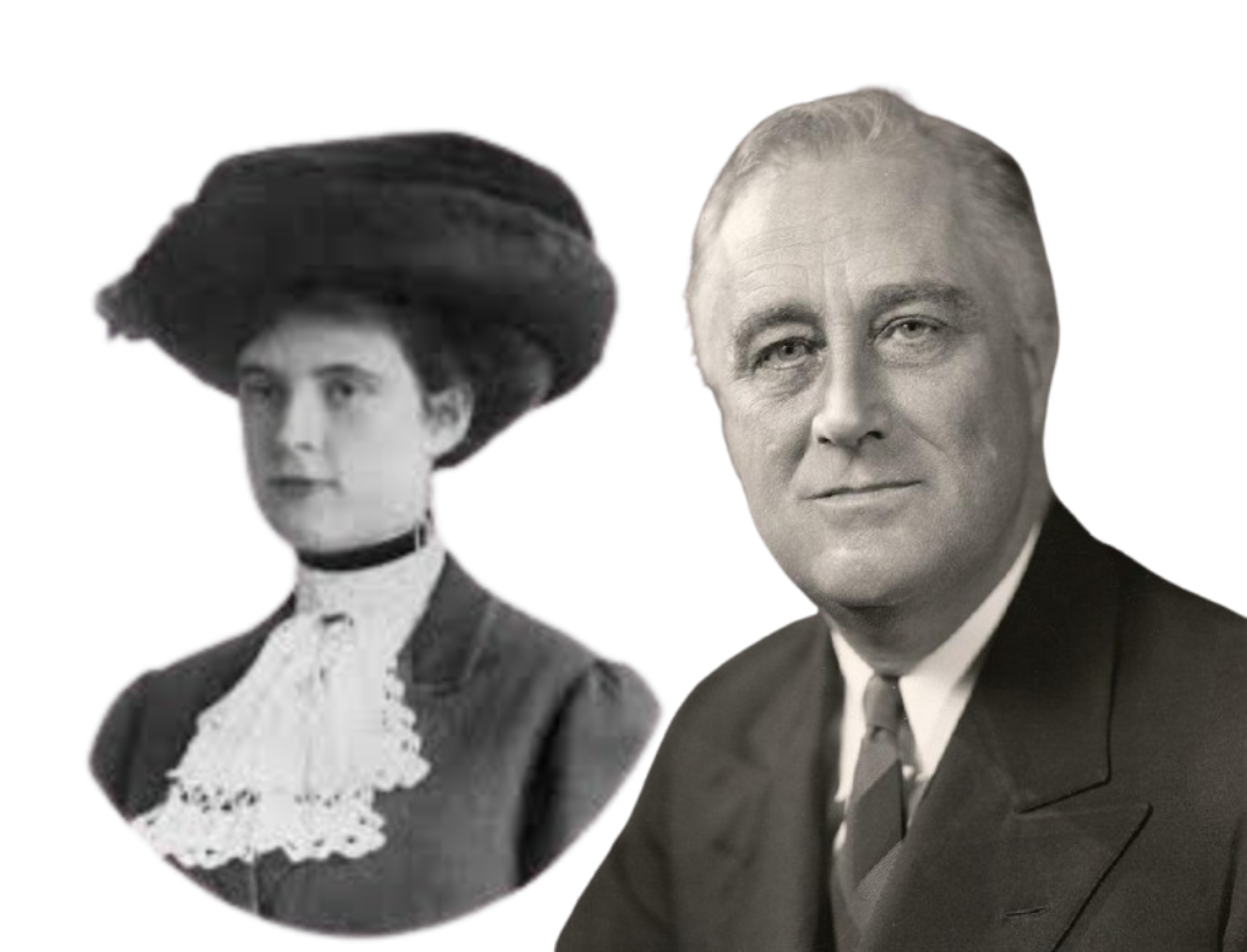
Lucy Mercer and Roosevelt
Franklin stayed publicly married. The affair went underground and never reached the press during his lifetime. He served four terms as president.
The day he died in 1945, Lucy Mercer was with him, not Eleanor. The public did not learn the full story for years afterwards.
Another love that was kept under wraps and did not provoke any retribution was between Kate Summersby and General Dwight Eisenhower.
She was his wartime driver. By most accounts, Kate was also his romantic companion through the war years, 1942 to 1945.
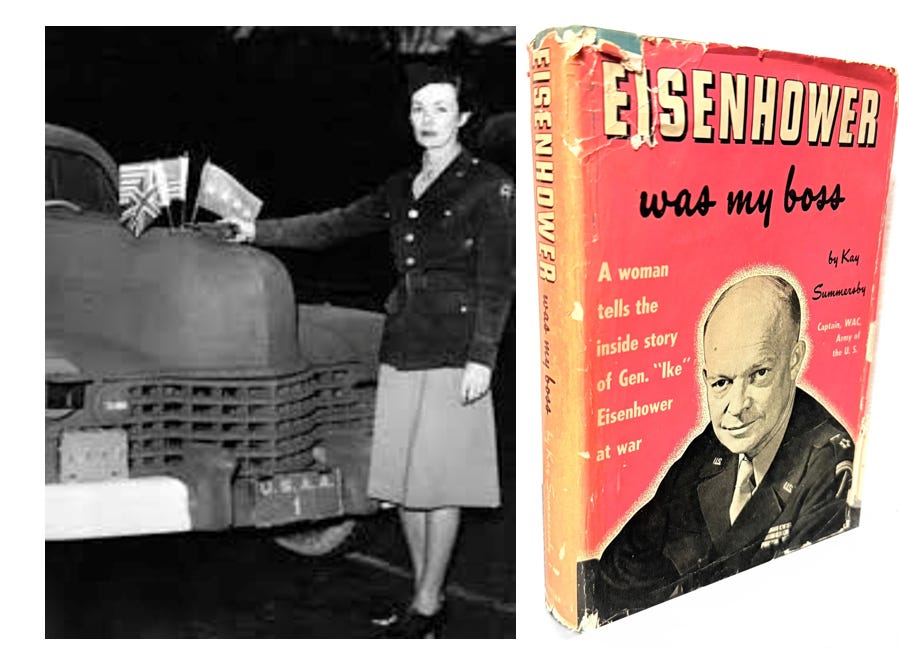
Rumours travelled among staff and journalists, but no one printed them while Eisenhower commanded Allied forces in Europe.
Kate discreetly made no mention of any affair with Eisenhower. But her 1975 autobiography, written while she was dying of cancer, was explicit about a romance, though again limited in details.
When he returned home, eight years later, Eisenhower was elected president. The relationship stayed a matter of memoir and speculation.
It never became a matter of public reckoning and cost the General nothing. No reckoning.
Actors Katharine Hepburn and Spencer Tracy were together from 1941 to 1967. Tracy was Catholic and never divorced his wife.
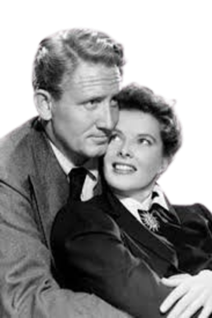
For over two decades and against the odds, Tracy and Hepburn stayed together. The Hollywood press kept the arrangement discreet by a kind of tacit industry agreement.
Both stars kept working at the top of their profession the entire time. Tracy died in 1967 when the relationship was still officially unacknowledged.
For Franklin, Eisenhower, and the actors Hepburn and Tracy, the love was real and the stakes just as high.
Careers or reputations that would have been badly damaged by exposure never happened. Nothing was destroyed. There was no reckoning.
So, is love a career death sentence? History’s answer is clear. What is deadly is not the love but the reckoning.