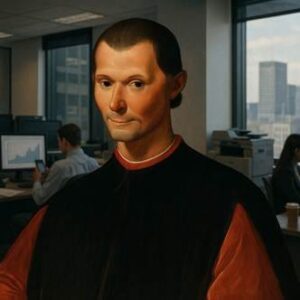
Fear of causing upset permeates offices, dinner parties, newsrooms, and parliament. So far, there is no formal entry for this fear in the bible of Mental Disorders, Fifth Edition, by the American Psychiatric Association.
No support group meets on Tuesday evenings in a church hall to talk about this fear, but the symptoms are everywhere. And you almost certainly know someone who has this fear. You too?
Fear of Causing Offence can make cowards of us all. Let’s see it in action.
THOSE WHO WENT ALONG WITH THE FEAR AND PAID THE PRICE
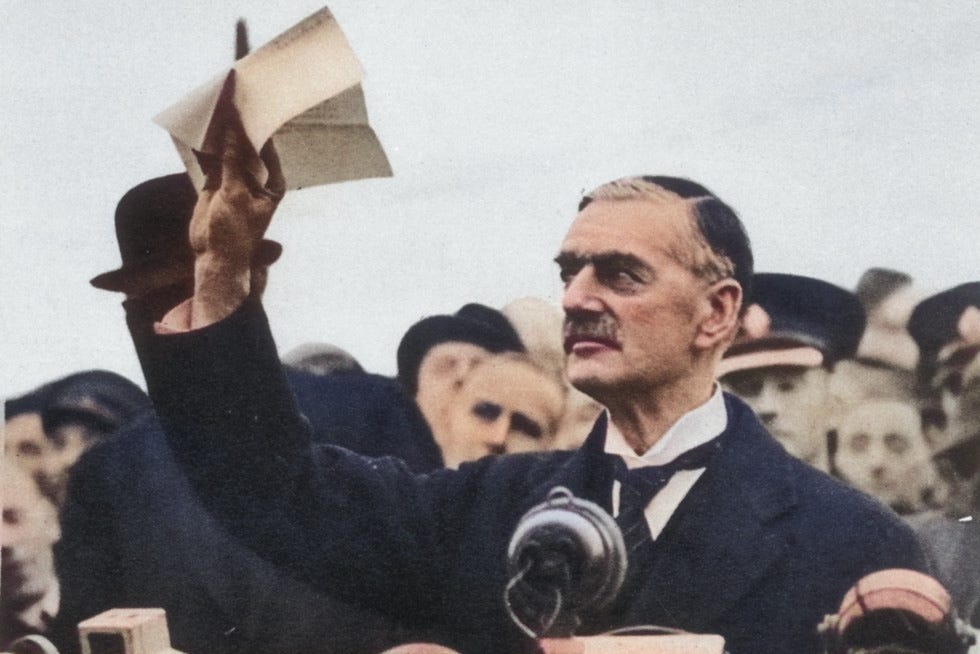
Neville Chamberlain, 1938.
He was so terrified of offending Hitler, of being seen as a warmonger, of worse, a volatile man, that he returned from Munich waving a piece of paper to show he was not causing upset with Hitler.
While Churchill said the unsayable for years and was considered an embarrassing eccentric, Chamberlain adopted the catastrophic fear of confronting a bully dressed up as statesmanship.
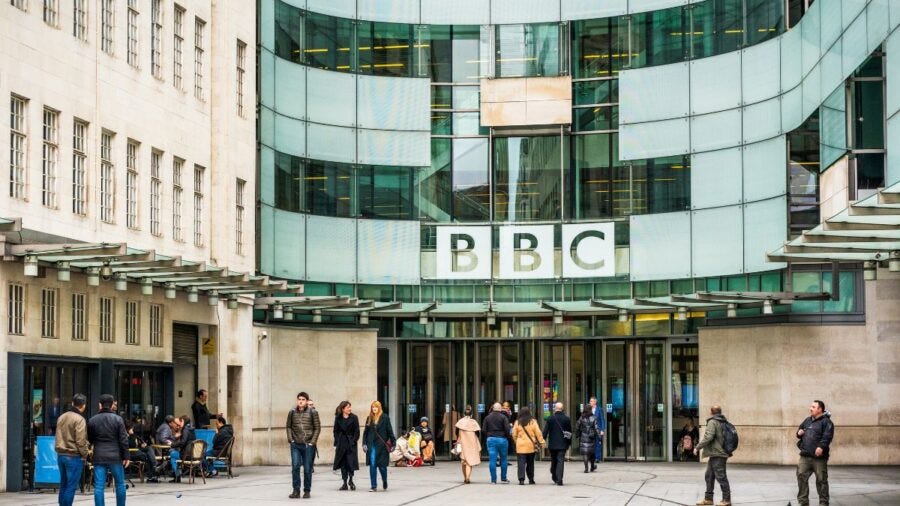
The BBC & Jimmy Savile
2011
The BBC and Newsnight had the entire unsavoury story ready to roll. Investigators held the evidence.
Yet the expose was killed reportedly because it would have clashed with the BBC’s own tribute programmes to Savile following his death.
The cost of fear of causing upset was hundreds of victims unacknowledged for another year, and a reputational catastrophe for the BBC far worse than the one the silence was designed to avoid.
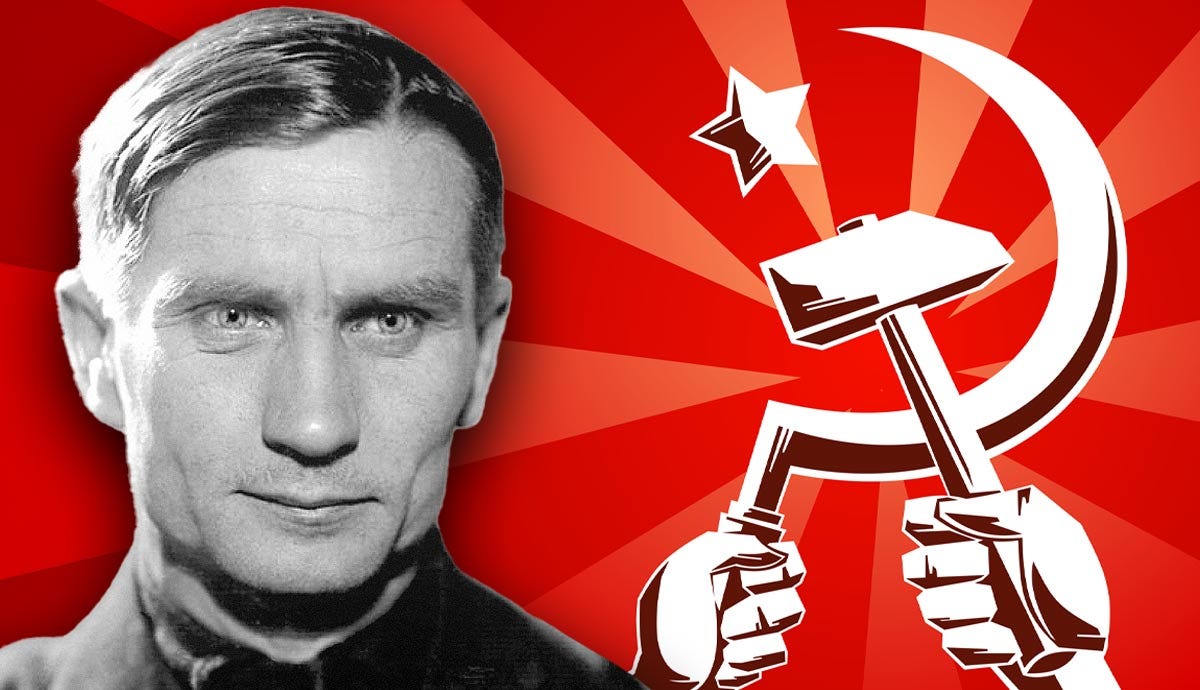
Soviet biologists under Lysenko, 1930s–50s.
Trofim Lysenko was Stalin’s favourite scientist, and his genetics was nonsense.
Nikolai Vavilov, one of the greatest botanists of the 20th century, refused to endorse the pseudoscience.
He was arrested, sentenced to death, though later commuted, and died in a Soviet prison in 1943.
Colleagues who went along with Lysenko kept their lives and their labs. Soviet agriculture was set back by decades. Millions died in famines partly attributable to the bad science everyone was too afraid to challenge.
Rating agencies: Moody’s, S&P, and Fitch
Before 2008, all rated risk agencies tended to give an approving top rating to financial instruments they privately knew were worthless. Why? Because the banks paying their fees were not people they dared to offend.
The fear was financial rather than social, but the mechanism was identical: don’t say the uncomfortable thing because it will cause upset and cost you a relationship.
But the cost to everyone else: a global financial crisis.
REFUSNIKS WHO WON
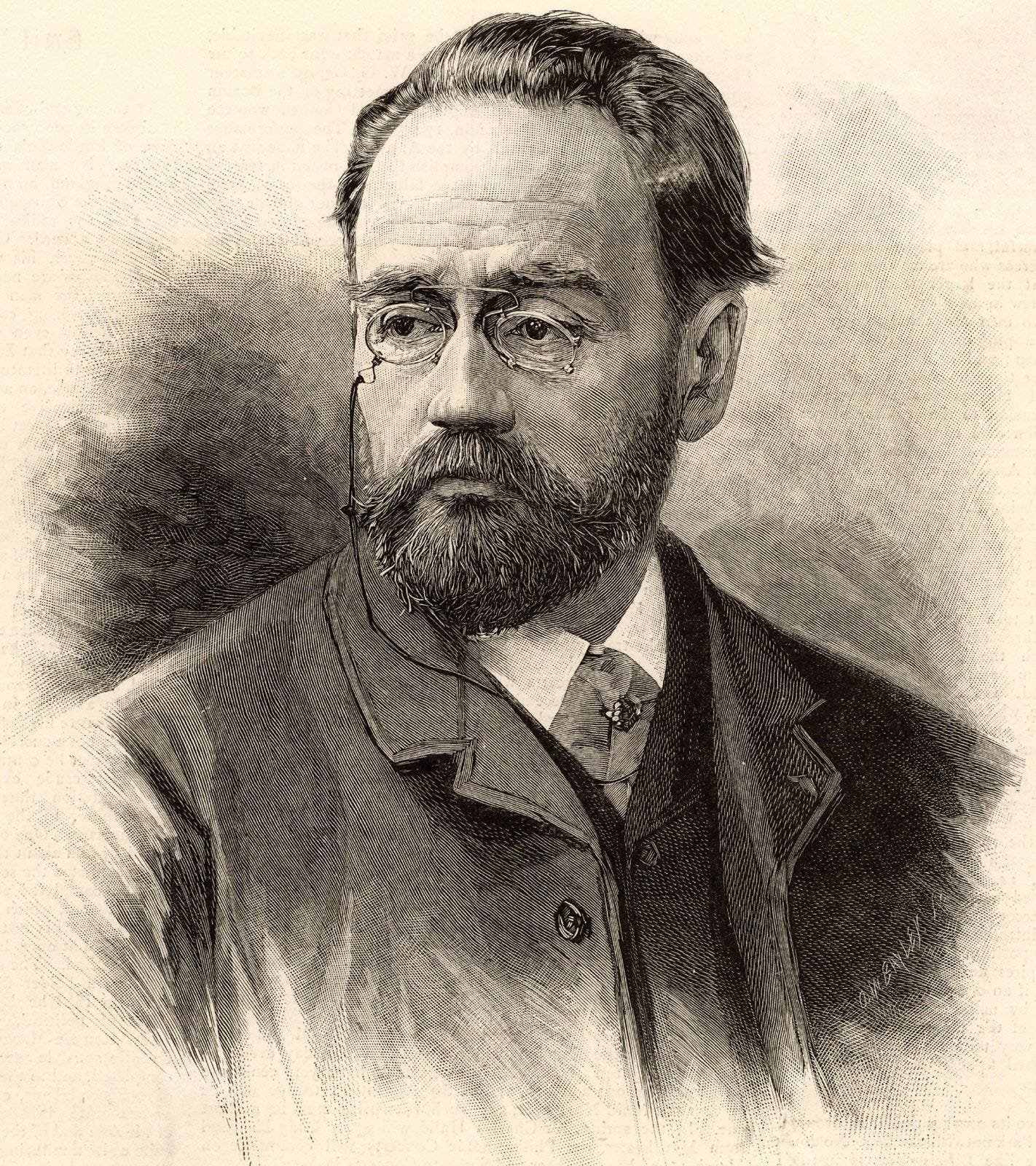
Émile Zola, 1898.
When the French army falsely convicted Alfred Dreyfus of treason, and the establishment closed ranks. Zola wrote J’Accuse, an open letter to the President that named names and made public accusations.
Zola was prosecuted for libel, convicted, and fled to England. Yet Zola was completely right.
Dreyfus was eventually exonerated. Zola is remembered as a hero of the republic. The Generals who prosecuted him are remembered as villains.
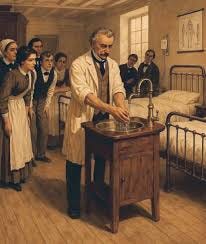
Ignaz Semmelweis, 1840s
This Hungarian physician noticed that women in maternity wards were dying of fever at vastly higher rates when treated by doctors coming straight from the morgue.
Semmelweis concluded that doctors were carrying something lethal in or on their hands. His daring statement caused enormous upset to the medical establishment.
The upset suggested that doctors were dirty, which implied they were killing their patients, which was intolerable. Poor Semmelweis was ridiculed, lost his position, and died in an asylum in 1865.
Within decades, germ theory vindicated him entirely. The offence he gave turned out to be correct.
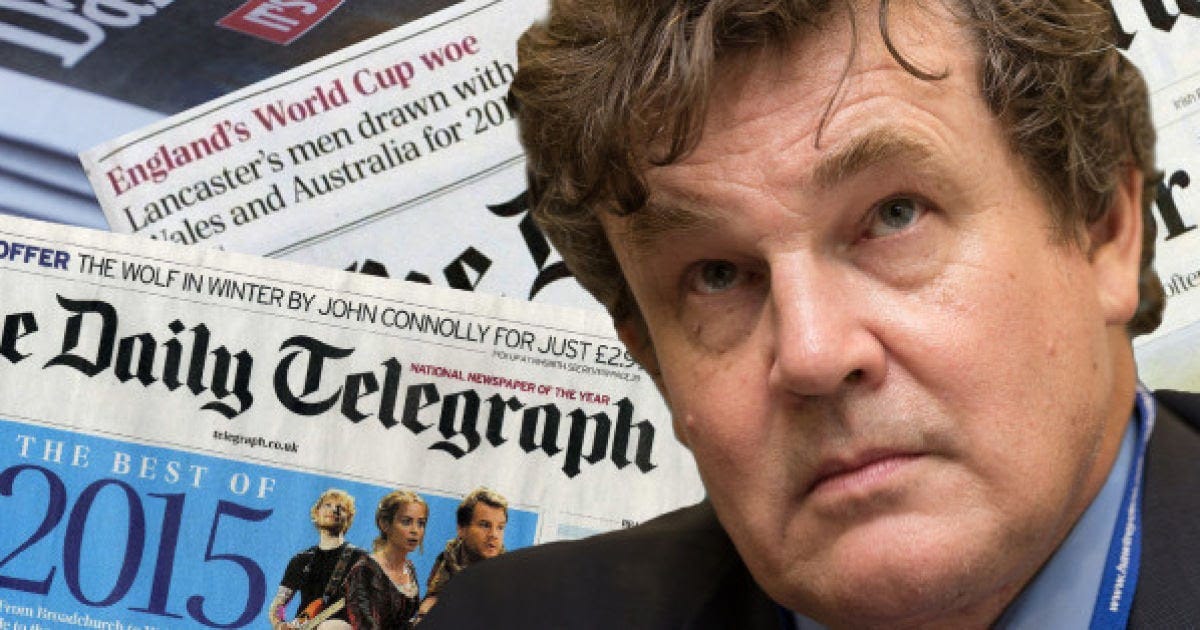
Peter Oborne 2015.
The Daily Telegraph’s chief political commentator publicly resigned, writing a long essay explaining that the paper had killed or buried stories critical of HSBC because HSBC was a major advertiser.
This was a significant act in journalism and offended his employer, his former colleagues, and much of the media establishment.
Osbourne lost a prominent platform but gained, permanently, a reputation for integrity that most journalists would trade a great deal to have today.