Every day, you walk into a room already armed. Most people never realise it.
They prepare their words, rehearse their arguments, and check their notes. But long before any of that matters, something else has already spoken.
· Your posture
· Your pace.
· Your stillness.
· Your gaze.
Your body has made its introduction before you’ve said a single word.
History is full of people who understood this instinctively. Long before microphones, social media, or carefully managed public images, they knew how to command attention without speaking.
They didn’t just communicate. They embodied power.
Cleopatra: The First Ten Seconds
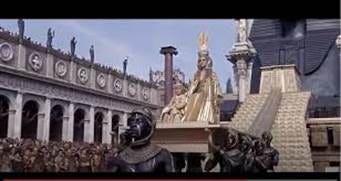
Cleopatra didn’t enter rooms. She arrived.
Rolled from a carpet before Julius Caesar. Gliding toward Mark Antony on a perfumed barge. Every appearance was theatre.
She understood something most people forget: the first few seconds decide everything.
We like to think people judge us over time. They don’t. They decide quickly — and then spend the rest of the interaction confirming that first impression.
Watch Zendaya on a red carpet today. No rush. No nervous energy. Just total command of space.
Different century. Same principle.
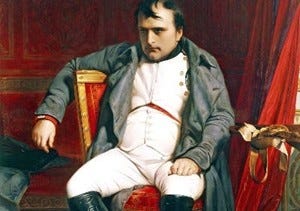
Napoleon: The Power of the Pause
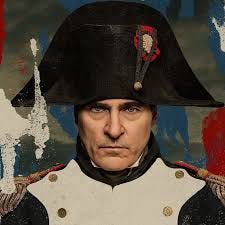
Napoleon didn’t fill the silence. He used it. He would stare, say nothing, and wait. The longer the silence stretched, the more uncomfortable others became — until they started talking, explaining, revealing.
Stillness plus silence creates dominance.
Rupert Murdoch is said to use the same technique in boardrooms. Say less. Wait longer. Let others close the gap.
The person who controls the pause controls the room.
Elizabeth I: Composure Is Power
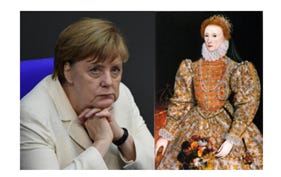
When Elizabeth I was angry, she didn’t shout. She froze.
Chin raised. Eyes steady. No movement. And the room collapsed inward.
Power isn’t noise. It’s composure under pressure.
Angela Merkel understood this in modern politics. While others reacted, she remained still — and that stillness made everyone else look smaller.
Rasputin: The Unbroken Gaze
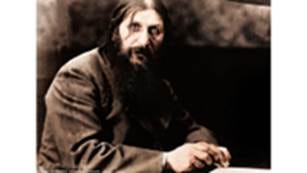
Rasputin didn’t charm people with words. He fixed them with his eyes.
Unblinking. Unwavering. Certain. People often misunderstand eye contact. It isn’t about aggression. It’s about conviction.
Think of Beyoncé mid-performance. The gaze that holds an entire arena still. You don’t look away, because she doesn’t.
Talleyrand: The Art of Underreaction
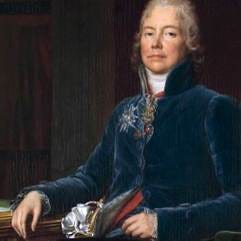
Talleyrand survived kings, revolutions, and Napoleon himself. His method?
He refused to react. While others panicked, he remained composed. While others revealed emotion, he revealed nothing.
Sometimes all it took was a raised eyebrow to end a discussion. Calmness is authority. Panic is surrender.
Barack Obama mastered this in public life. Even under pressure, his body remained controlled, measured, still.
And that stillness became credibility.
Mata Hari: Movement as Message
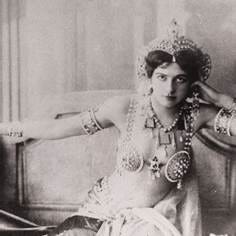
Mata Hari understood that movement speaks. Every gesture was deliberate. Every turn is slow. Every pause is intentional.
She never hurried, and because she didn’t hurry, people watched. Rihanna carries the same quality today. She moves as if time belongs to her.
And so, for a moment, it does.
Louis XIV: Become the Centre
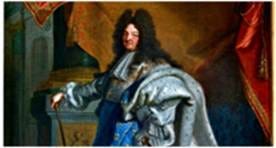
Louis XIV didn’t ask for attention. He assumed it. Versailles revolved around him. Courtiers watched his smallest gestures for meaning.
He behaved as if he were the centre, and so he became it.
Elon Musk often operates similarly. Minimal gestures, but complete certainty that attention belongs to him.
Confidence, at this level, isn’t loud. It’s gravitational.
Sarah Bernhardt: The Courage to Be Still
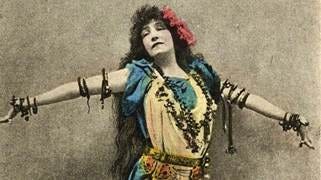
Sarah Bernhardt, the French actress, could hold an audience without moving at all.
No gesture. No speech. Just presence. Stillness, at the right moment, isn’t hesitation.
It’s control.
Prince understood this instinctively. A pause before a note. A still second before sound. The audience leans forward, not because something is happening, but because something might.
St. Francis: Power Can Be Gentle
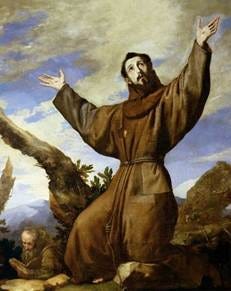
Not all body language dominates. Some of it heals. St. Francis of Assisi embraced people whom others avoided. His open posture, his gestures, his physical presence, they communicated compassion before words ever could.
You see this today in people like Keanu Reeves—the quiet respect in the way he stands, the way he greets others, and the way he gives space.
Kindness, when expressed physically, is immediately understood.
What If You Don’t Feel Like Any of These People?
This is where most people hesitate.
That’s not me. I’m not Cleopatra. I’m not Napoleon.
But here’s the truth: What counts most is establishing a presence. Sometimes the body leads. and the mind follows. You don’t have to feel confident to appear confident.
The Quiet Language of Power
History’s most compelling figures shared something simple.
Not beauty.
Not luck.
Not even talent.
Presence.
Your body speaks constantly, in your walk, your shoulders, your stillness, your eyes.
Long before your words arrive, your message is already understood.
And most people never notice. Which means you have an advantage.
Whether you realise it or not, you walk into every room armed. Presence is the ultimate weapon. The question is:
Are you using it?
I write imagined conversations with history’s most remarkable figures: women, visionaries, and creative minds. Not summaries, but actual encounters. Real lives, reimagined in dialogue.
If you’ve ever wanted to hear the past answer back, you’re in the right place. I call it History Speaks.
You’ll find my books on Amazon, but I’m not being pushy about it!