History doesn’t only happen in palaces and on battlefields. Sometimes it happens behind closed eyes, in the strange hours when the mind is left to itself.
Some of the ideas that changed the world did not arrive at a desk or in a laboratory. They arrived in a dream.
You crash into bed, brain buzzing like a phone on 1%. The world fades… and suddenly you’re somewhere else. Floating cities. Familiar faces in strange places.
None of it makes sense, and yet, when you wake, something from that chaos sticks.
That’s the trick. Dreams aren’t junk files, or random chaos. They’re test drives for ideas.
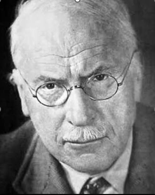
Carl Jung, the Swiss psychologist, believed dreams were the mind’s secret invention lab.
While we sleep, he said, our inner world runs experiments, with stories, symbols, risks we’d never dare undertake when awake. To Jung, every dream is your imagination’s rehearsal for something new.
And history keeps proving him right.
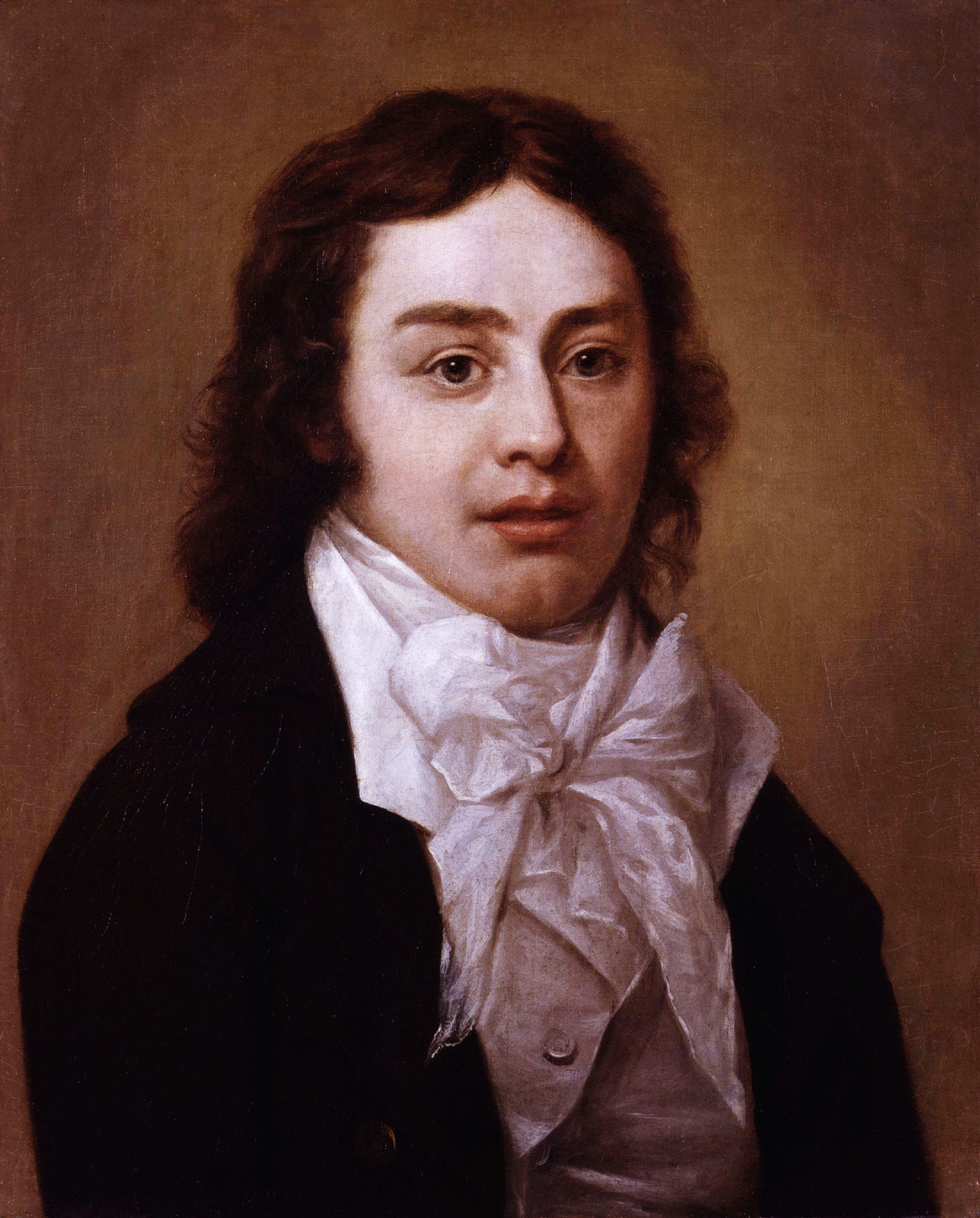
Take Samuel Taylor Coleridge. One night in 1797 he fell asleep after reading about the Mongol emperor Kublai Khan.
He woke from an opium laced dream and started writing furiously: “In Xanadu did Kubla Khan / A stately pleasure dome decree…” Then, would you believe it, someone knocked on the door, and, poof! The rest of the poem evaporated.
A half dream, half masterpiece, lost forever to an interruption.
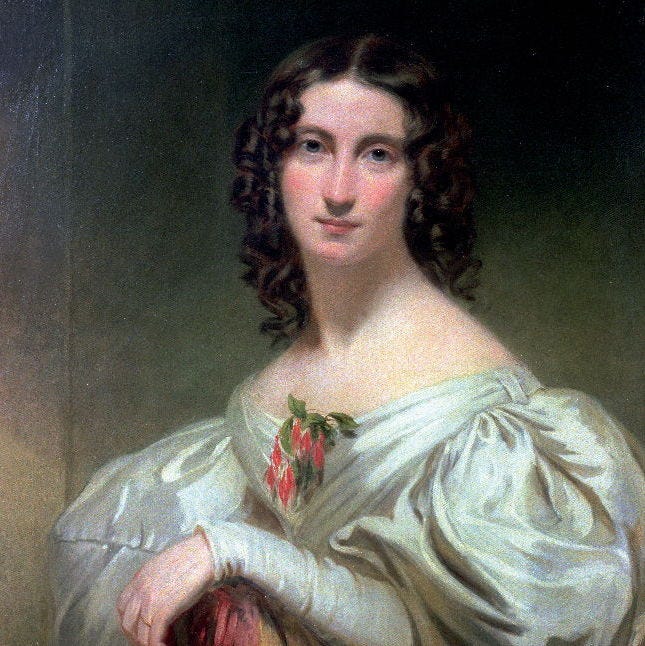
Or Mary Shelley, 18 years old, staying in a villa by Lake Geneva during a stormy summer. Her host? Lord Byron. He challenged all his guests to write a ghost story. That night, Mary dreamt of a scientist kneeling beside a creature he had just brought to life. She woke up terrified, and wrote Frankenstein.
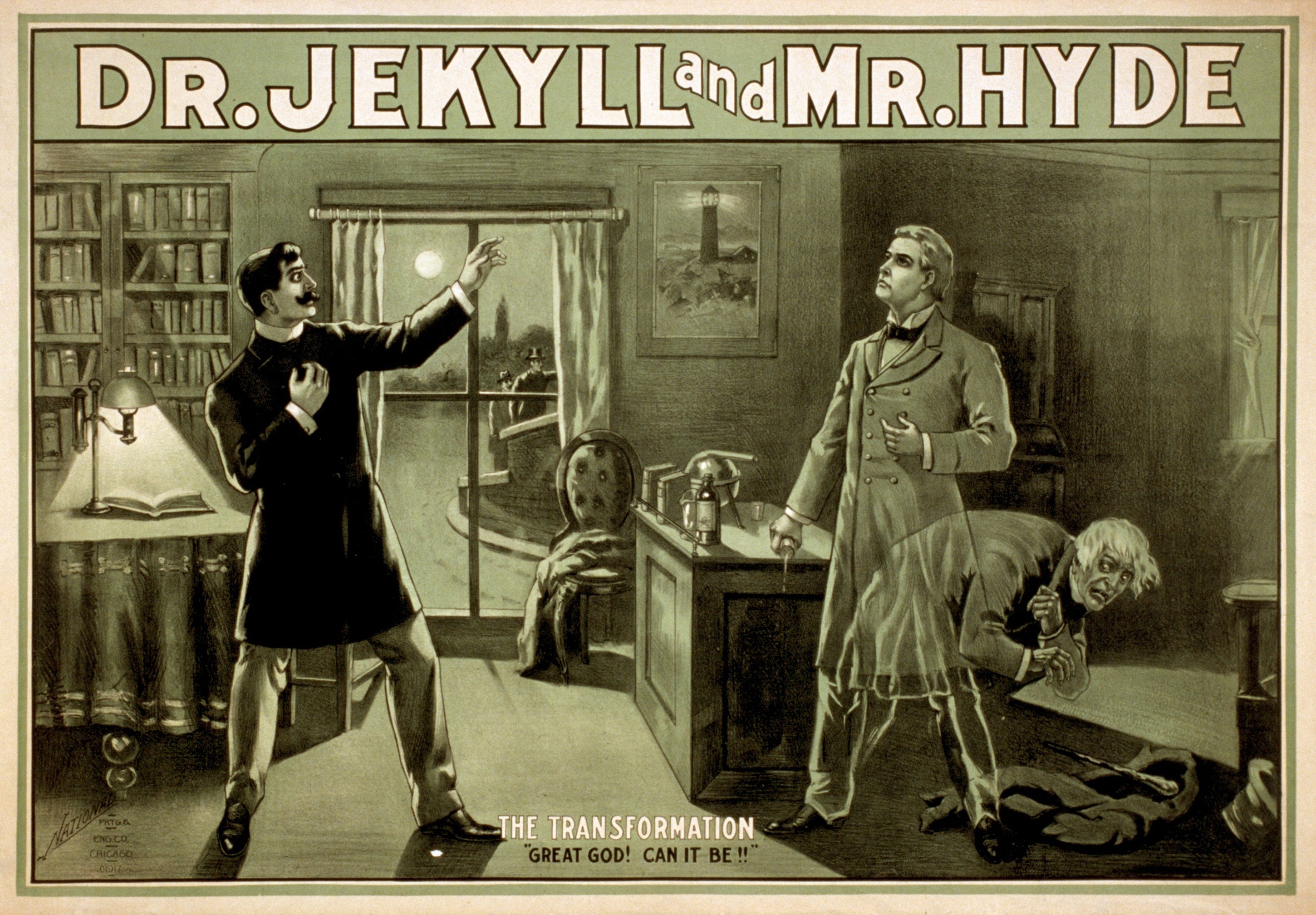
Then there is Robert Louis Stevenson, who claimed he dreamed the heart of his strangest tale. Short of money and searching for a story, he fell asleep and saw a respectable man swallow a powder and transform into someone monstrous.
He woke with the central scenes of Strange Case of Dr Jekyll and Mr Hyde already in place, and wrote the draft in days.
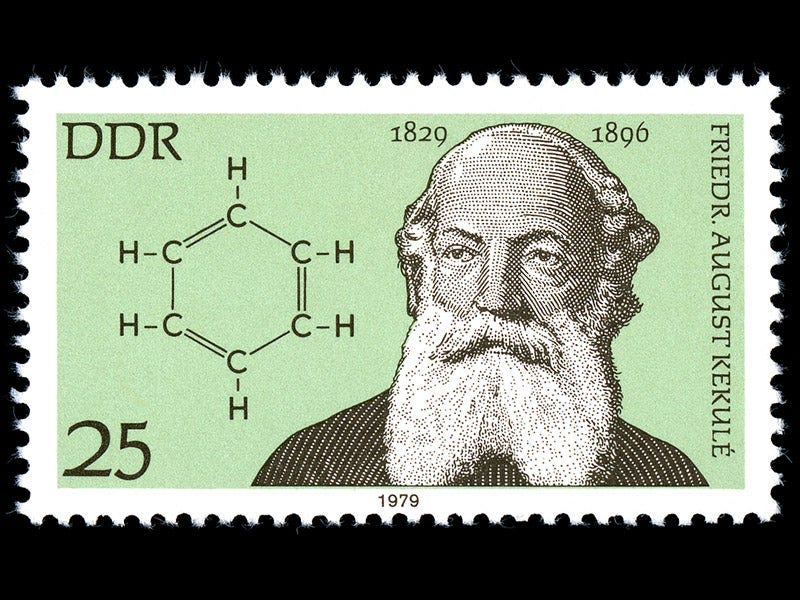
Science has its dreamers too. Friedrich August Kekulé, the German chemist, spent years puzzling over the shape of the benzene molecule.
Dozing by his fire, he saw atoms forming chains that twisted like snakes, until one snake seized its own tail and spun before his eyes. He woke knowing the answer. The molecule was a ring, a closed circle of carbon, and a whole branch of chemistry opened from that single image.
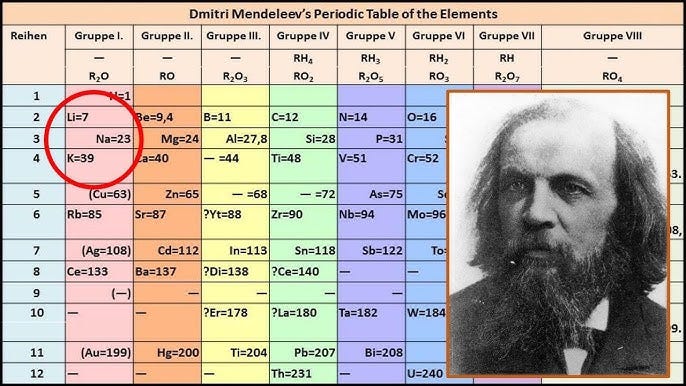
Around the same time, Dmitri Mendeleev was wrestling with a deck of cards, one for each known element, trying to find the order hidden among them. He worked until he fell asleep at his desk.
In his sleep, he later said, he saw the elements fall into a single patterned grid. He woke and wrote it down almost untouched. We call it the Periodic Table.
The physiologist Otto Loewi had argued for years that nerves might speak to one another through chemicals rather than electricity, but he could not prove it. The proof came in a dream.
He woke in the night, scribbled the design of an experiment on a scrap of paper, and fell back asleep. In the morning he could not read his own writing.
The next night the dream returned. This time he went straight to his laboratory, tested it on two frog hearts, and eventually won a Nobel Prize.
And there is Elias Howe, the inventor of the sewing machine. He was stuck on one problem. How should the needle move?
Then one night he dreamt of being chased by warriors carrying spears with holes near their tips. He woke, understood that the eye of the needle belonged at its point rather than its base, and changed the world of textiles.
Strangest of all is Srinivasa Ramanujan, the self-taught Indian mathematician who filled notebooks with thousands of results.
He said many of them came to him in sleep, revealed by the maths goddess Namagiri,
and that he simply wrote down what he had been shown on waking. Mathematicians are still working through what those dreams contained.
Dreams don’t follow rules. They remix everything you’ve seen, read, or worried about and hand it back as a wild new combination.
Jung would say that’s your mind handing you a note saying: “Here’s something you couldn’t imagine when you were awake.”
And it keeps happening
This is not reserved just for history. The same thing happens to people still among us, or barely a generation gone.
Paul McCartney woke one morning humming a tune from a dream. He ran to the piano, still half asleep, and played what would become Yesterday. For days he thought he must have stolen it. It was too perfect to be new.
Keith Richards woke to find his cassette recorder had run through the night. On the tape was the riff for (I Can’t Get No) Satisfaction, played in his sleep and forgotten by morning.
Larry Page has said the idea behind Google began with a dream of downloading the whole web and keeping only the links, the seed of the search algorithm that reordered the internet.
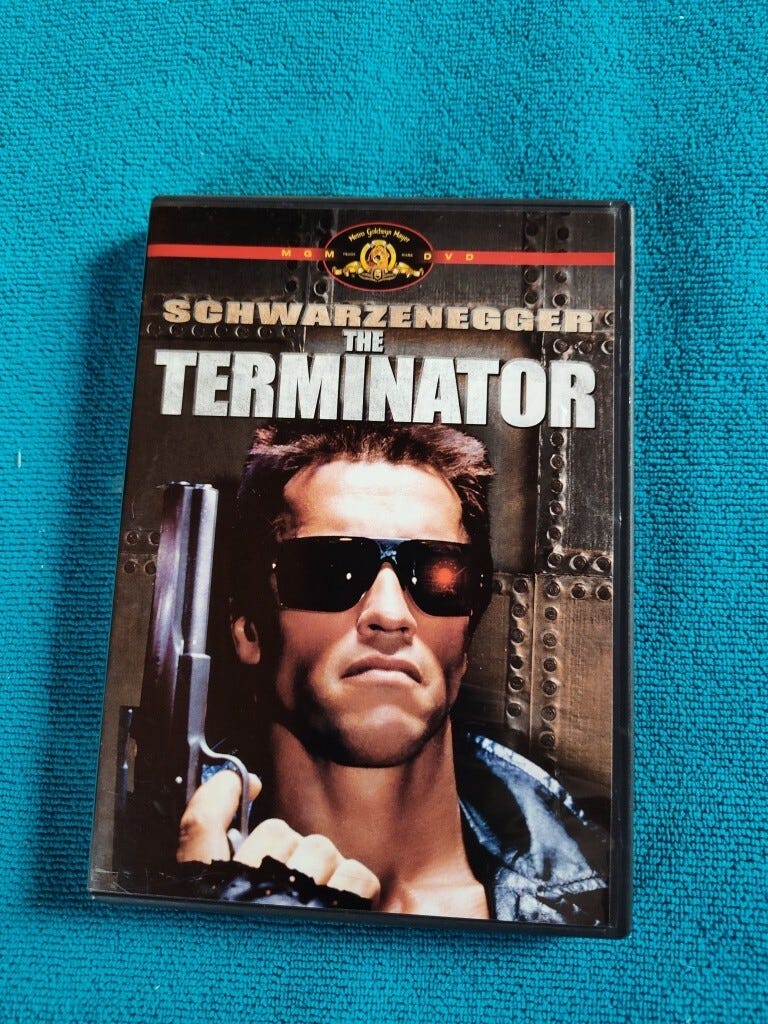
James Cameron dreamt of a gleaming metal skeleton dragging itself out of fire. That image became The Terminator.
Christopher Nolan, long fascinated by lucid dreams, turned the subject itself into a film, Inception, a story about entering dreams to plant an idea.
Even in Silicon Valley, engineers talk about waking with sudden, dream-fuelled clarity about a piece of code or a design.
So maybe the real innovators aren’t the ones pulling all-nighters. They’re the ones who sleep well and remember it.
So tonight, don’t scroll. Drift. Let your mind handle the night shift. Just remember to keep a notebook by your bed.
Because who knows. Your next great idea might already be dreaming of you.