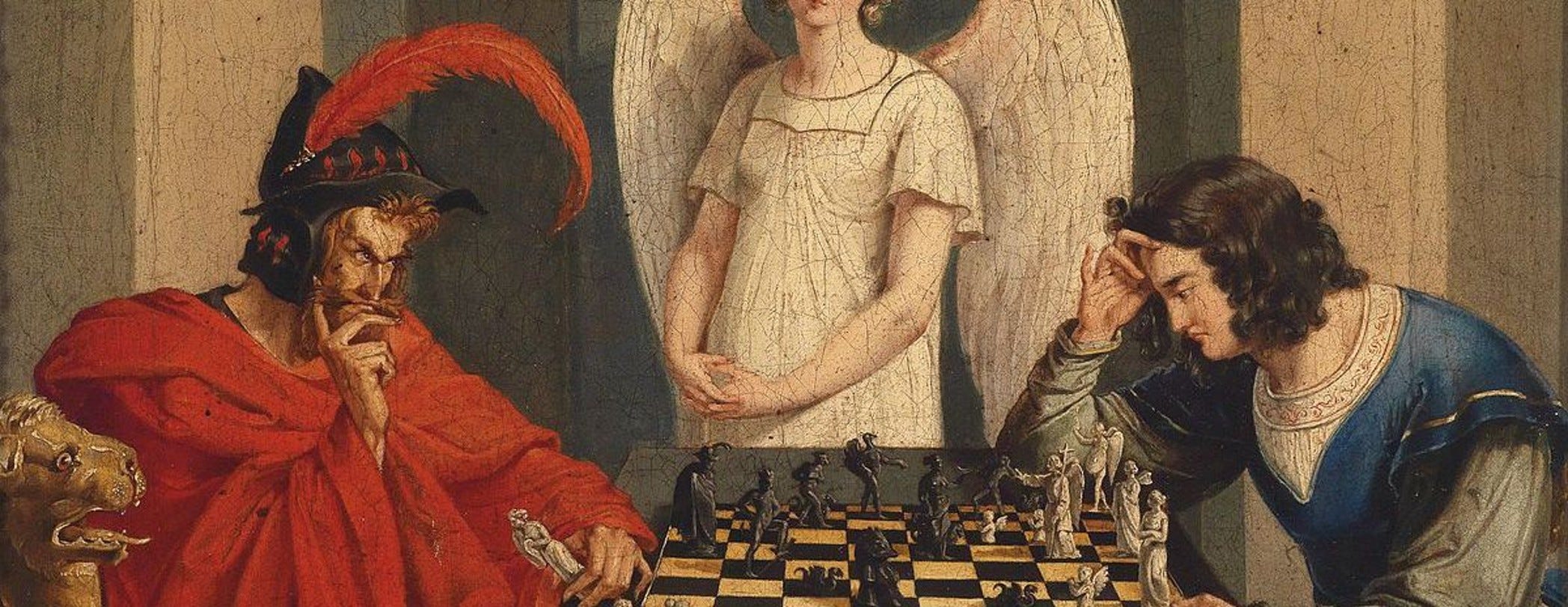
Do you fancy being someone in history who made an impact? There’s a play waiting to be written in which the Devil appears and offers you personally huge and permanent fame.
The only drawback, says the devil, is that “it won’t happen in your lifetime!”
We so often hear of successful people that we’re sometimes blind to what it takes to succeed.
We celebrate success, but tend to forget how much failure came first.
Some of history’s greatest minds stumbled, were ignored, or ridiculed, yet their legacies endure. Take Norman Ernest Borlaug, for example.
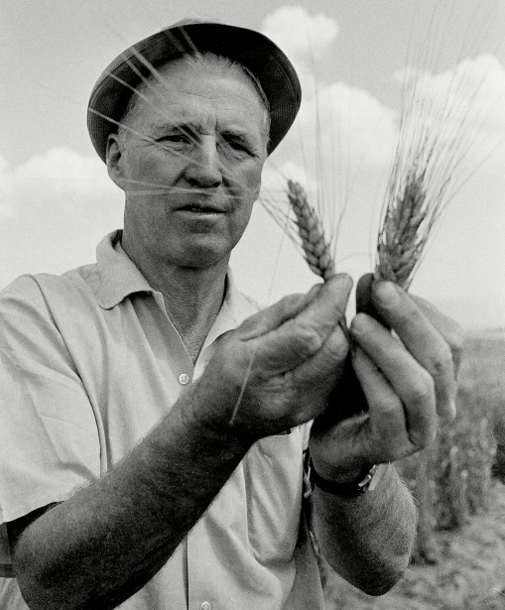
You may not have heard of him, but almost single-handedly he transformed agricultural production, a development now known as the Green Revolution.
Borlaug won multiple honours for his work, including the Nobel Peace Prize in 1970, the Presidential Medal of Freedom, and the Congressional Gold Medal.
The near-invisible Borlaug today was one of only seven people to have received all three awards.
An article in The Atlantic (1997) titled “Forgotten Benefactor of Humanity” describes Borlaug as someone who “has saved literally millions of lives, yet he is hardly a household name.”
Public awareness of him remains low decades after his significant achievements,
Outside of the agricultural, development, and scientific communities, his name is seldom invoked in mainstream media or popular culture.
Let’s take a closer look at the invisibles, or Outliers, starting with the painters. The ones that got to be famous, just not in their lifetimes!
PAINTERS
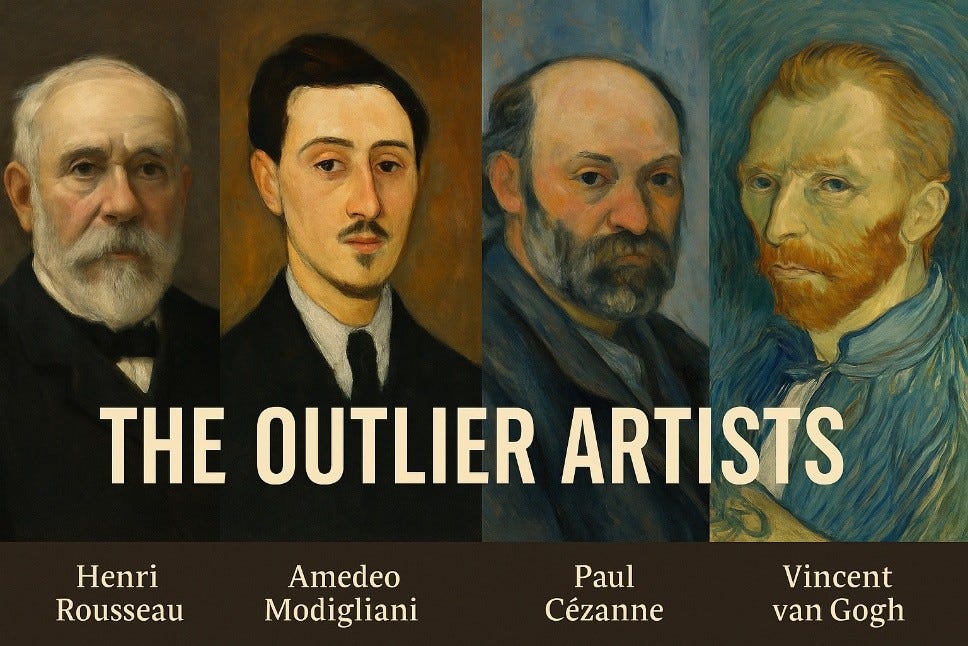
Vincent van Gogh sold only one painting in his lifetime, the Red Vineyard. Think of that. Just one painting!
Poor Gogh was shy, withdrawn, and utterly unable to promote himself. As for having a marketing plan, forget it!
Paul Cézanne, too, was rejected by salons and derided by critics. Only much later, after death, was he hailed as the father of modern art, which hardly did him much good.
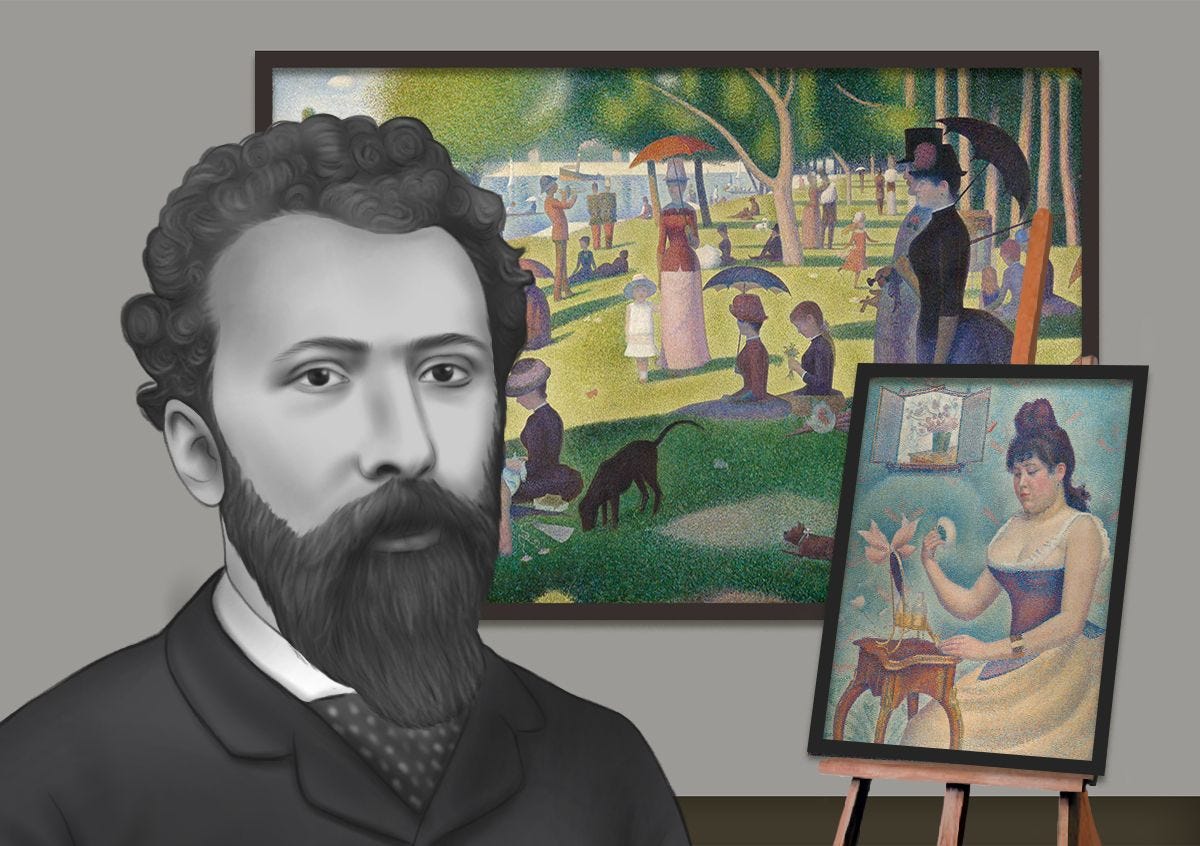
Georges Seurat fared little better; his lovely pointillist work was dismissed as eccentric and hard to sell.
Claude Monet struggled financially before the Impressionist movement gained popularity.
It was almost too late, and reportedly he attempted suicide by drowning in the Seine.
Henri Rousseau was mocked as a “naïve” painter during his lifetime and had no commercial success.
Imagine his reaction if he knew his 1910 picture Les Flamants would sell at Christie’s in New York in May 2023 for, wait for it…
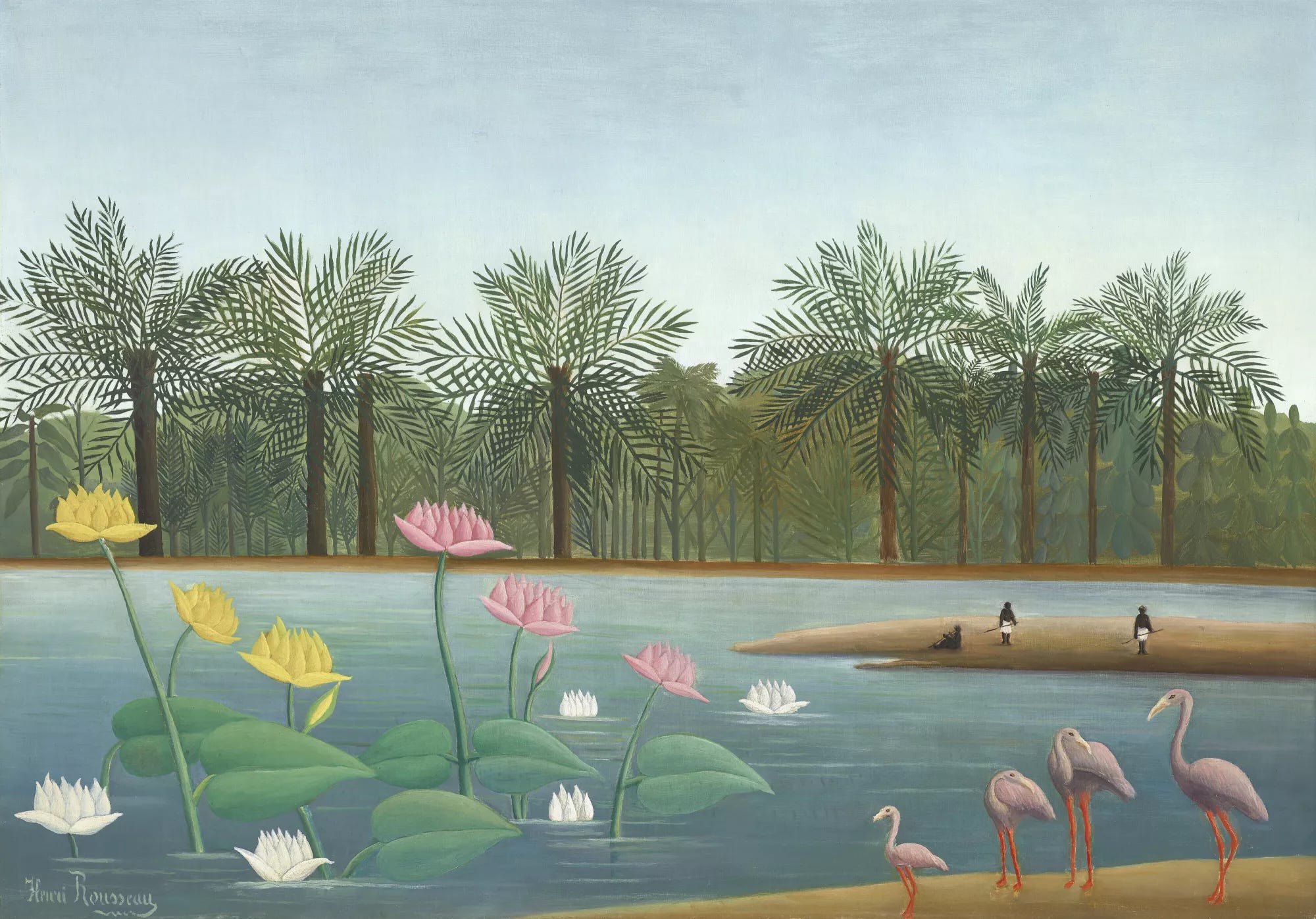
…$43.5 million?
Similarly, Amedeo Modigliani couldn’t sell his portraits during his lifetime. He, too, might turn in his grave to learn that someone paid US$ 157.2 million for one of his paintings in May 2018.
WRITERS
Herman Melville, of Moby-Dick fame, found that his work was a commercial flop and died thinking himself a failed writer.
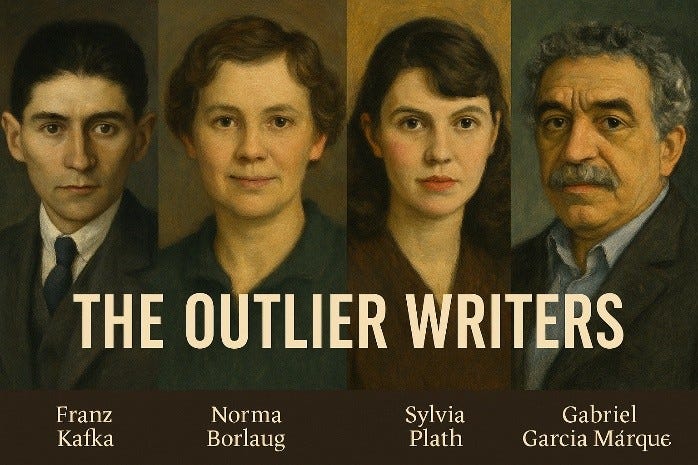
Franz Kafka, too, published little and insisted his work be burned. Naturally, marketing was entirely alien to him.
Much the same could be said about Marcel Proust, who had to self-finance his first volume of In Search of Lost Time.
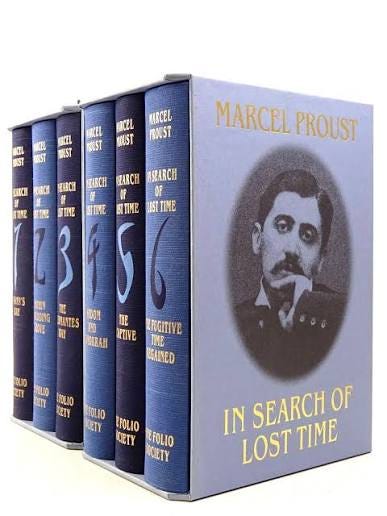
Proust studiously avoided literary cliques, which of course put paid to any real marketing in those days.
John Keats, the poet, was savaged by critics; sold few books and died young, convinced he’d failed.
Meanwhile, the famous Henry David Thoreau had little success in his lifetime, and Walt Whitman ended up self-publishing…
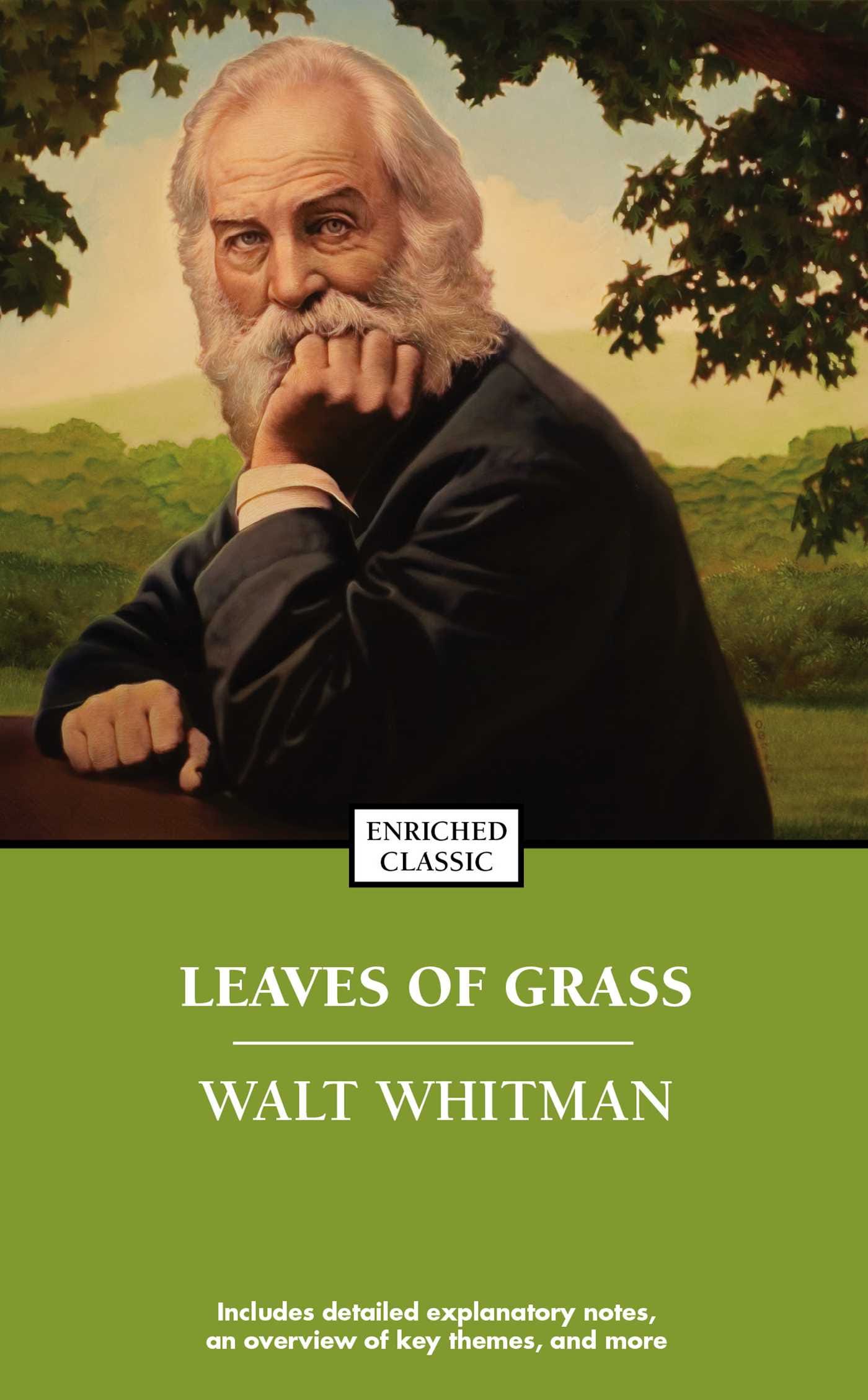
…and personally selling copies of his much later, absolute bestseller, Leaves of Grass.
Sylvia Plath, now one of the most studied poets of the 20th century, had only modest recognition while alive.
Her only published novel, The Bell Jar, was released under a pseudonym in Britain just weeks before she died in 1963, and her poetry collections sold few copies.
It was only after Plath’s death that her work was championed, winning the Pulitzer Prize posthumously in 1982 and cementing her as a cultural icon. Her story underlines how fame and influence can arrive too late for the artists themselves.
So here is the bitter joke buried in the Devil’s offer.
The fame is real. The price is everything. Van Gogh sells one canvas and dies broke. Plath publishes under a false name and is gone within weeks. Borlaug feeds a continent and cannot get his name into a newspaper.
None of them signed a contract. None of them chased the applause. They did the work, and were badly rewarded, often ridiculed, and let history catch up on its own slow schedule.
That is the part the Devil never mentions. Immortality is not a gift you receive. It is a debt the future pays, long after you have stopped waiting for it.
So you still want to be famous?
Then do the work for its own sake, because the work is the only thing you will ever truly hold.
Forget the marketing
plan, the timing, the rapturous applause. Come to terms, early and honestly, with the likelihood that the payoff arrives for a party you were never invited to attend.