You may not have heard of Wong Kiew Kit. He was a master of Qigong, pronounced Chi Gung and died in March this year, 2026.
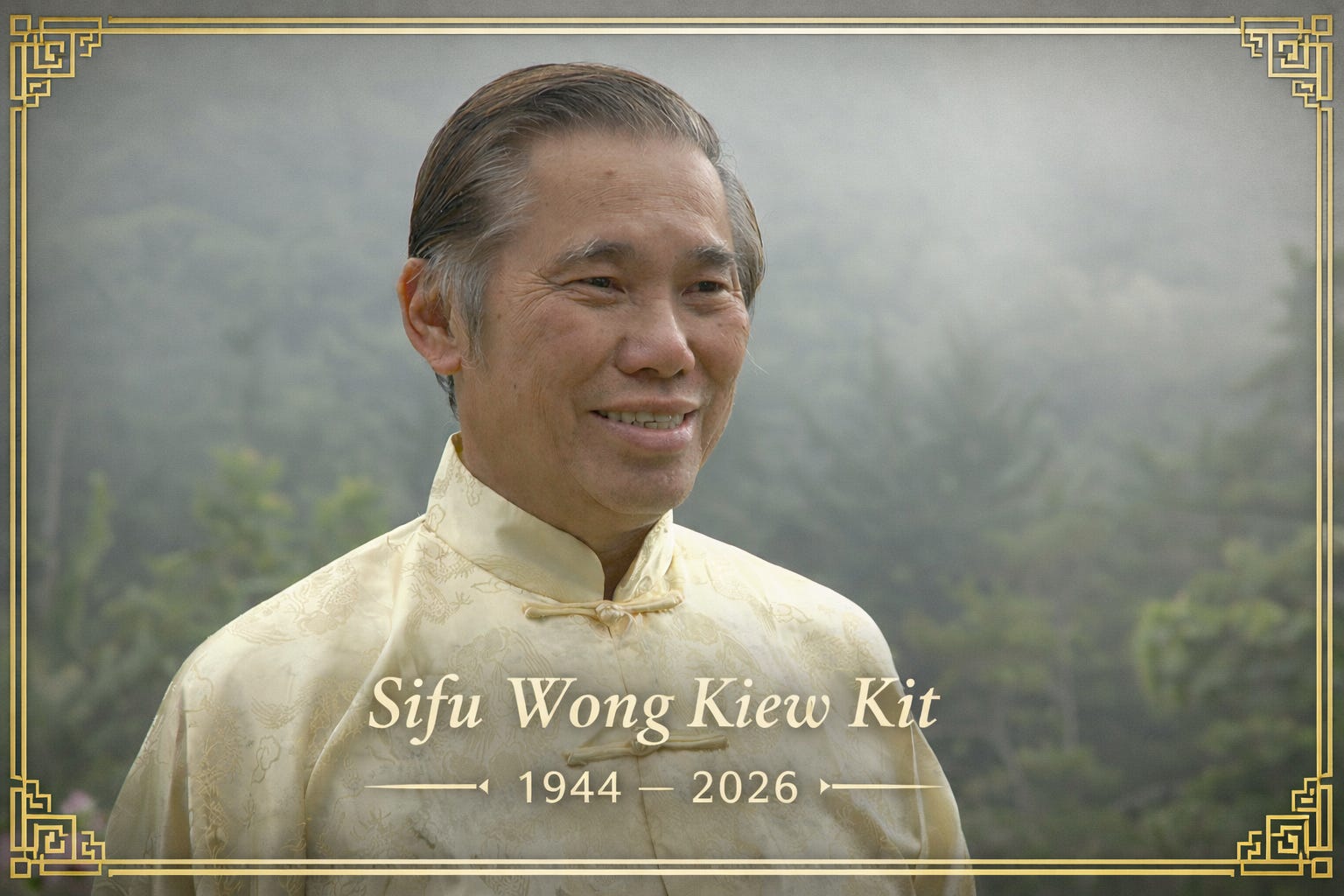
For his many followers, this death was a shock since it was totally unexpected.
Masters like Kit are supposed to live to a really old age, right? It is tempting to think of this fit and energetic teacher as dying young. In fact, he was eighty-one.
Since I do Chi Gung daily and am about to become eighty-five, Kit’s death has made me question the common assumption that the great Masters often die young.
In truth, the great masters don’t usually die young. So how has such a mistaken belief taken hold?
The myth has arisen for understandable reasons. Famous early deaths are unforgettable. Bruce Lee, at 32, and Brandon Lee, at 28, reinforce the stereotype.
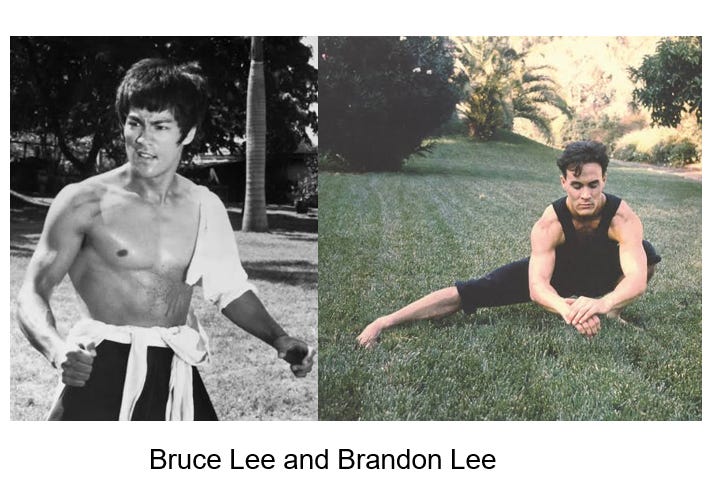
But those deaths stemmed from cerebral oedema and a film-set accident. They had nothing to do with training. The quiet 81-year-old grandmaster spoils the legend.
Another reason for the myth taking hold is that we mainly hear about the dramatic cases. Yet many masters quietly live into their 80s and 90s, Wong among them. They just don’t make headlines.
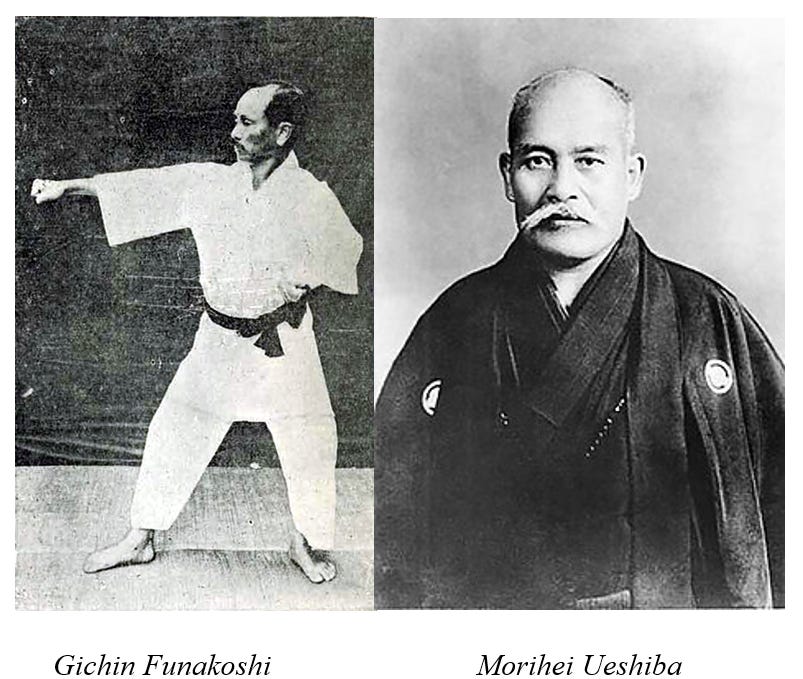
Plenty of founders such as Funakoshi, revered as the “father of modern karate”, reached eighty-eight. Morihei Ueshiba, founder of Aikido, revered as Ōsensei or “Great Teacher, lived to be eighty-five, hardly a short life.
Real risks exist but are specific. For example, hard full-contact styles carry injury and cumulative-trauma costs.
Some traditional training includes harsh conditioning. But that’s a feature of certain practices, not of “mastery” as such. So nutrition science or some other weird factor isn’t a missing variable.
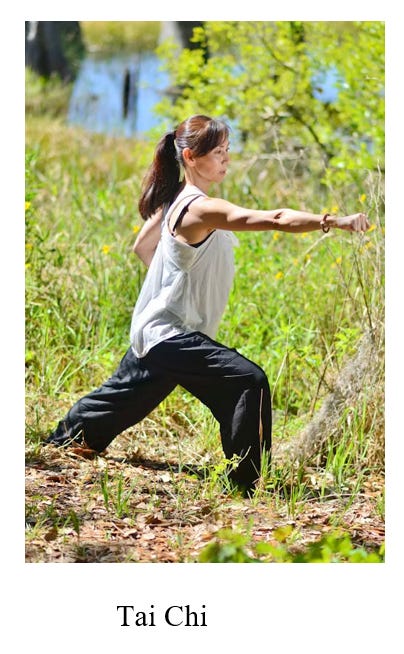
The reality is that the longevity-oriented internal arts, such as tai chi and qigong, were explicitly built around health, and their best-known teachers tend to be long-lived.
So, why do we want our masters to die young? That’s a very human question hiding behind the blizzard of facts.
The romance of the masters burning out like a dying candle confirms an alternative story we prefer. We prefer to hold that intensity and longevity are a trade and that those who burn brightest do indeed burn out.
What we actually fear is a hope in disguise. It is that mastery is dramatic, sudden, and, above all, visible.
Yet decades of unspectacular daily practice into old age are far less cinematic and more demanding. It asks for patience, not fireworks.
There’s an attractive pathos in a man who spends a life perfecting physical control, then meets the one opponent no technique can defeat.
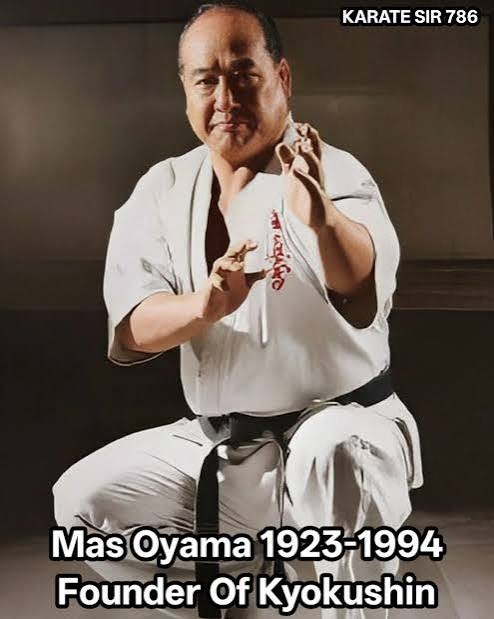
Mas Oyama, who taught karate to be strong, died at seventy of lung cancer. The so-called bull-killer and the strongest of all practitioners was undone by something ordinary. No amount of karate could make him deathless.
So what do these deaths tell us?
It is that we mythologise these masters because we don’t want strength to be mortal. Why? Because the real lesson of their long, ordinary, disciplined old age is harder to accept and asks more of us than the myth.
Coming shortly: ANDREW MEETS: MAS OYAMA, an imaginary conversation at a critical point in the life of the founder of Kyokushin Karate.