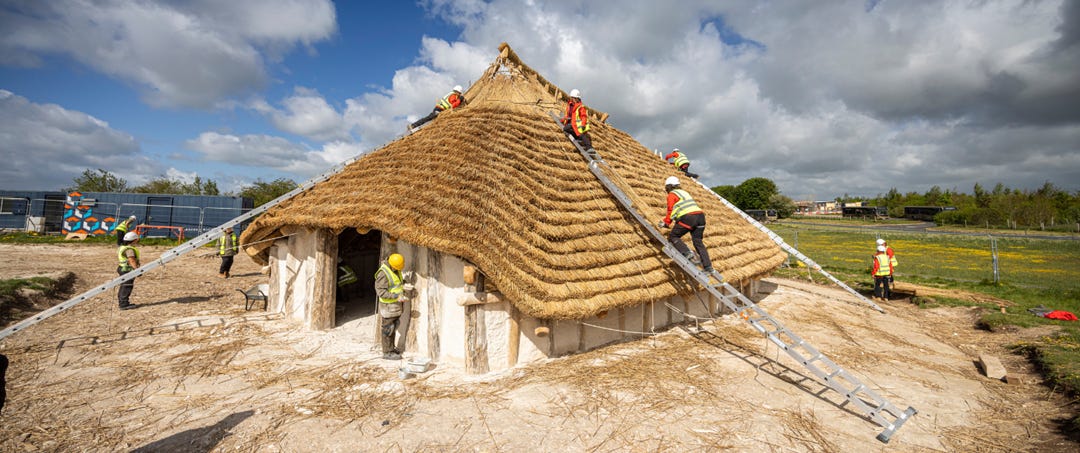
English Heritage has invested one million pounds in constructing a replica of a Stone Age hall. It’s a pretend building but as close as possible to the real thing. It’s aiming to create a “You are there” feeling.
The Substack platform hosts many veteran history creators. Many mistakenly assume that as long as they release extended historical content, readers will have a high-quality, immersive experience, a sense of being there.
Such well-meaning creators overlook basic text quality checks. This misunderstanding stems from two root causes.
First, Substack’s built-in formatting mechanism may automatically merge multiple separate paragraphs into a single block. This amplifies the text’s sense of disorganisation.
Second, most creators are overly engrossed in the historical events they write about, and undervalue the “less is more” narrative principle.
To confirm that this problem is widespread, I used the Hemingway Editor to test some of these creators’ public texts. I indeed detected a large volume of unreadable, overly long content.
Historical narrative, though, remains an art form. We cannot reject all complex texts outright. Even works by leading thinkers may create reading barriers because they exceed the cognitive threshold of ordinary readers.
The core shared ability of all truly qualified storytellers is to build immersive “you are there” experiences.
Cases that achieve this span multiple scenarios: for biographies, there are Walter Isaacson’s biography of Leonardo da Vinci and Andrea Wulf’s biography of Alexander von Humboldt.
For offline scenarios, there are high-quality planetariums, well-produced stage plays, and the Stone Age exhibition hall mentioned earlier.
For tech products, there is mature, well-developed VR content, as well as two concept-aligned works, such as my own books Conversations with Remarkable Women and Conversations with Marvellous Muses, now available on Amazon.
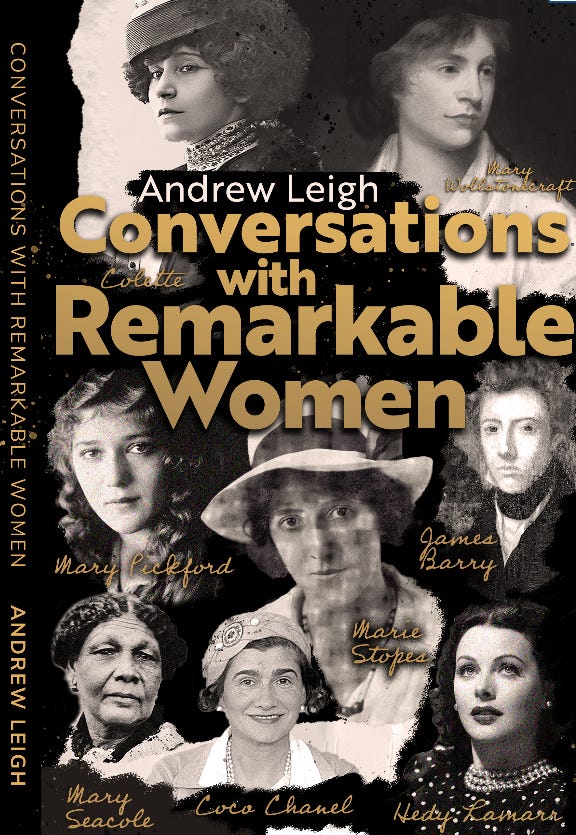
Here, for instance, is an early scene in my imagined conversation with Leonard da Vinci, from my forthcoming book: Visionaries, due out later this year:
“A partial paralysis has curtailed Leonardo’s painting over recent months. The hand that held the brush with such authority is no longer reliable. And yet his mind has lost nothing.
He sits by the window annotating a drawing of a foetus in the womb, and does not look up immediately when I enter. When he does, there is such a welcoming smile that it rather catches me off guard. My anxiety at meeting him instantly evaporates.”
Professional creators also have many hidden techniques to enhance immersion: Disney Imagineers build the upper levels of fairy-tale castles to 5/8 of a normal full-scale height, and Stanley Kubrick designed the non-connecting, physically impossible hallways of the Overlook Hotel in The Shining.

These visual tricks are all effective methods for enhancing immersive effects. Many cultural heritage venues first establish the sensory logic through which architecture conveys emotion, leveraging the unaccountable unease triggered by spatial mismatch.
Today, museums and heritage sites across the globe commonly create immersive experiences by introducing scents. They offer everyday odours such as wood smoke and pine resin. These bypass rational cognition to access human memory directly.
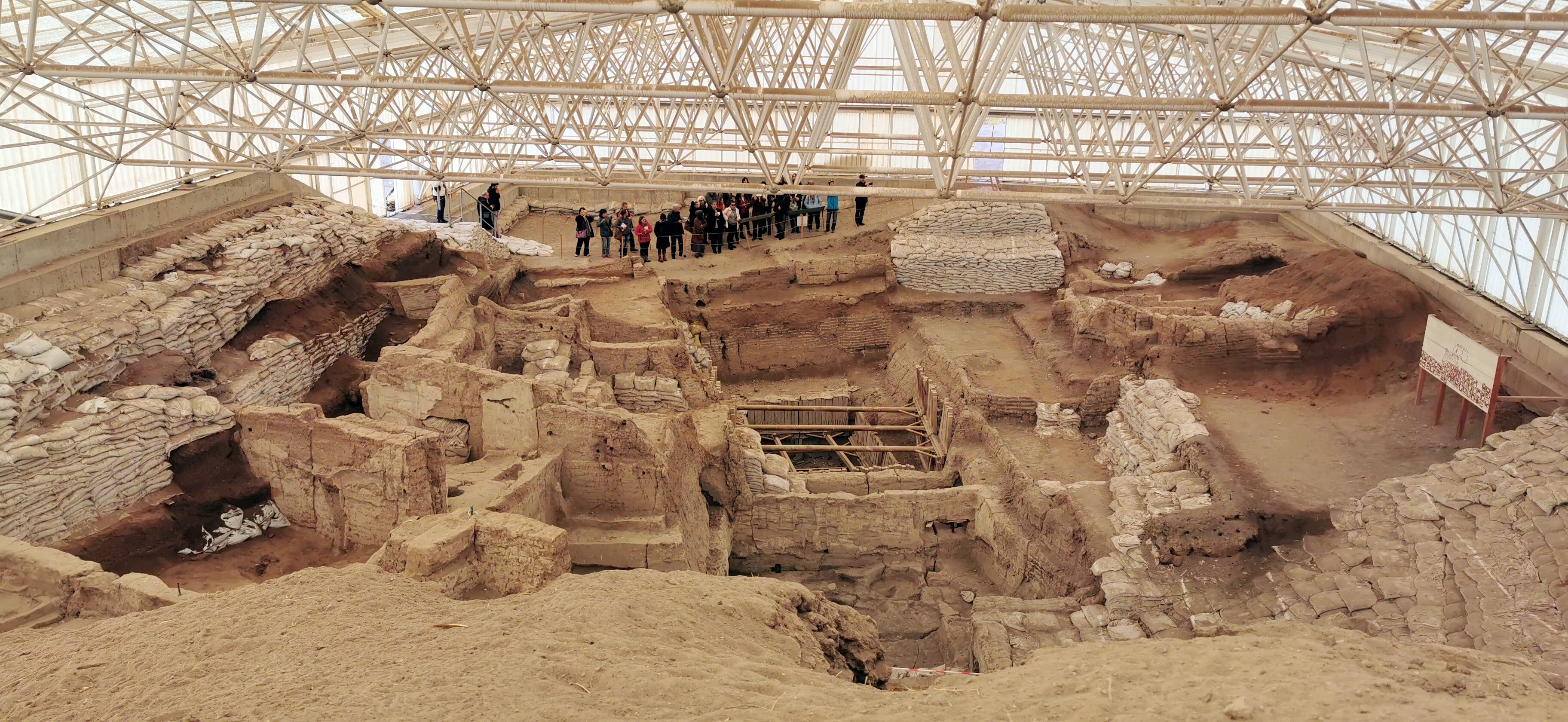
Research conducted at the 9,000-year-old Neolithic settlement of Çatalhöyük in Turkey proved revealing for understanding how to create immersive reactions.
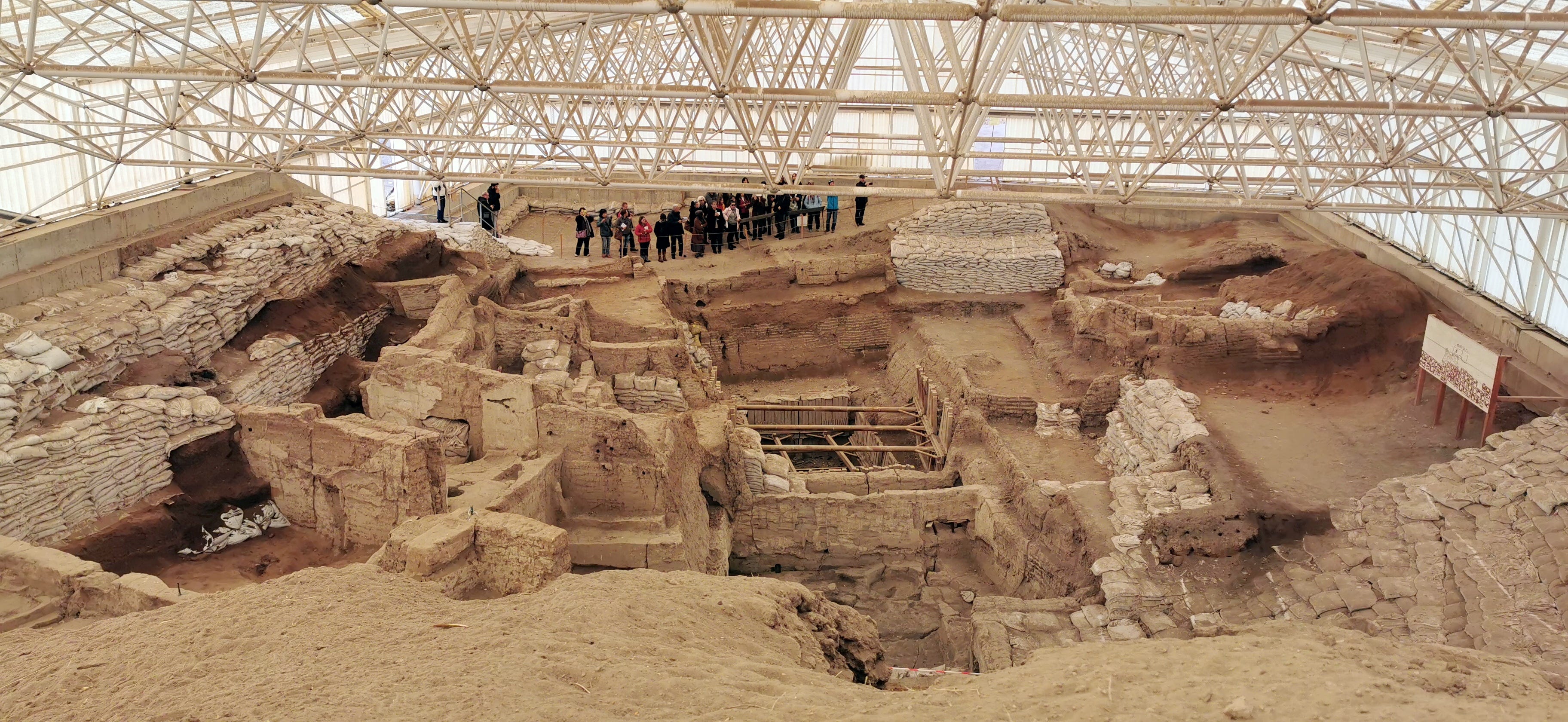
The restored Stone Age dwellings at the site, featuring low ceilings, no windows, and shared heat sources, elicited the same anxiety and hypervigilance in modern visitors as they did in the site’s ancient residents.
High-quality immersion does not require audiences to suspend their disbelief entirely. Instead, by removing perceptual barriers, it can activate long-existing memories built into the human body.
For Substack history storytellers, facts about generating immersive experience are well known. Even using tools such as Hemingway Editor would spare us from interminable blocks of distance-making text.
The English Heritage team didn’t write about the Stone Age. They put you inside it. That is exactly what every history writer on Substack should be trying to do, and almost none of them are.